01
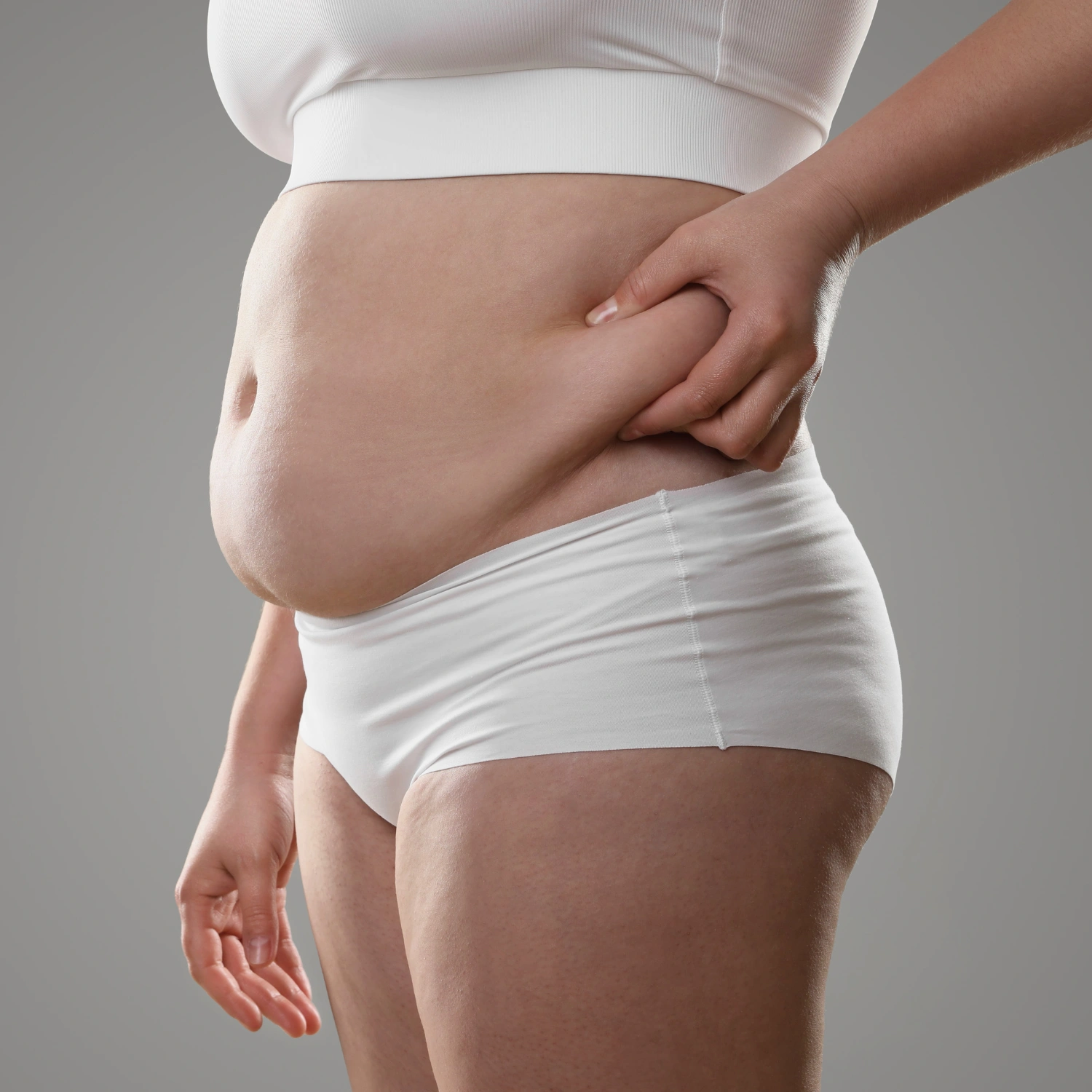
Abdomen and waist
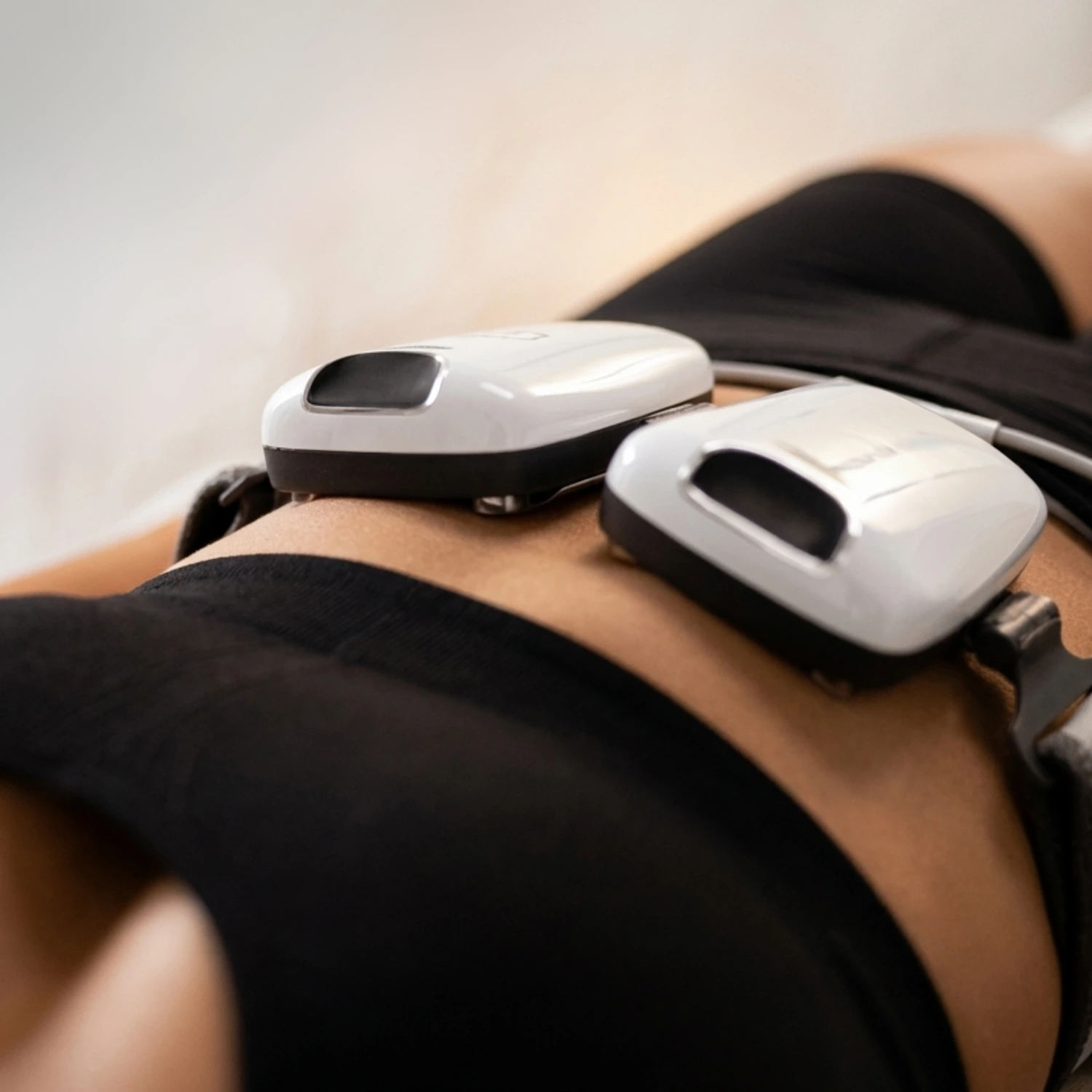
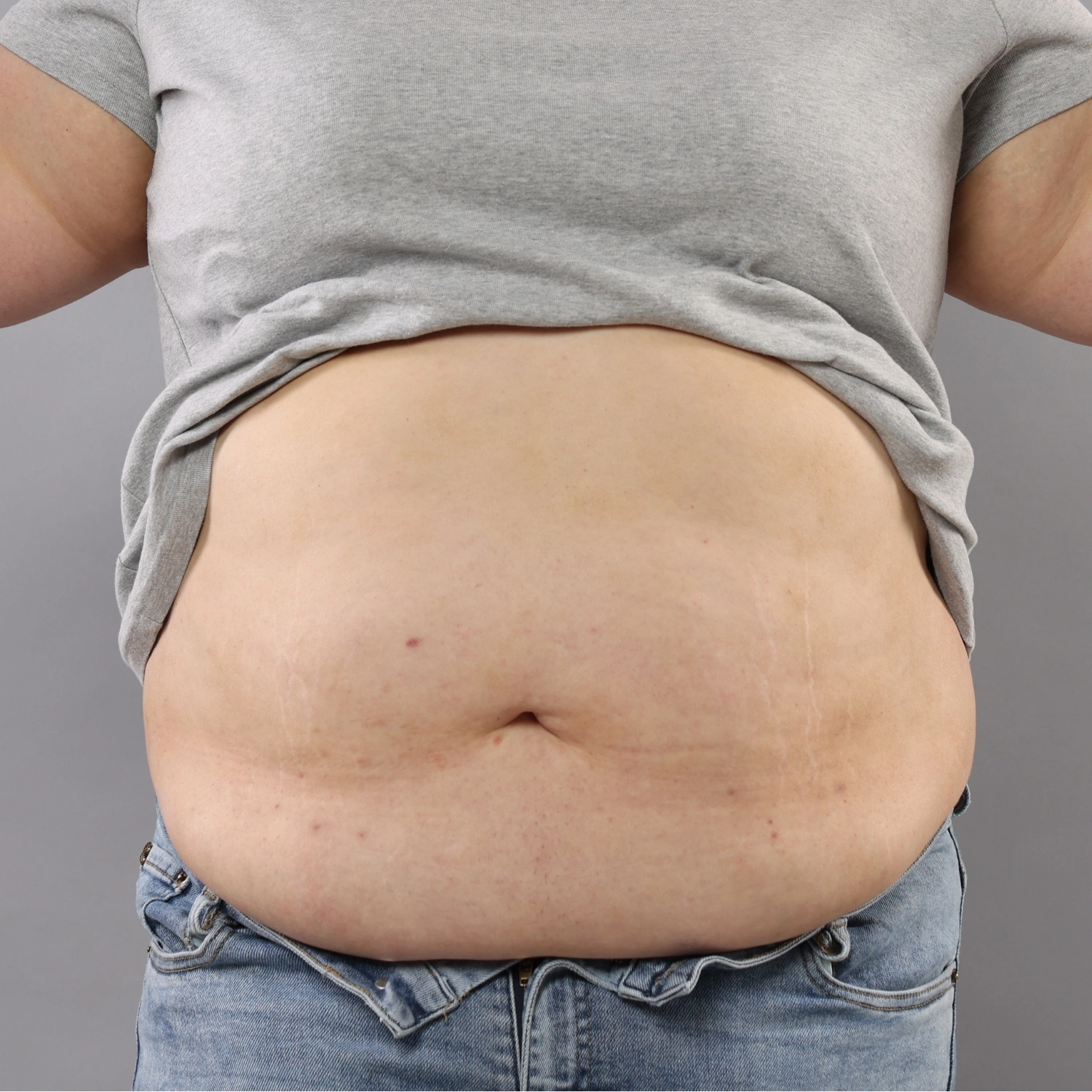
For shaping the midsection and improving overall proportion.

Personalised non-invasive body treatments in Orchard, Singapore, guided by your concerns, comfort and realistic goals.






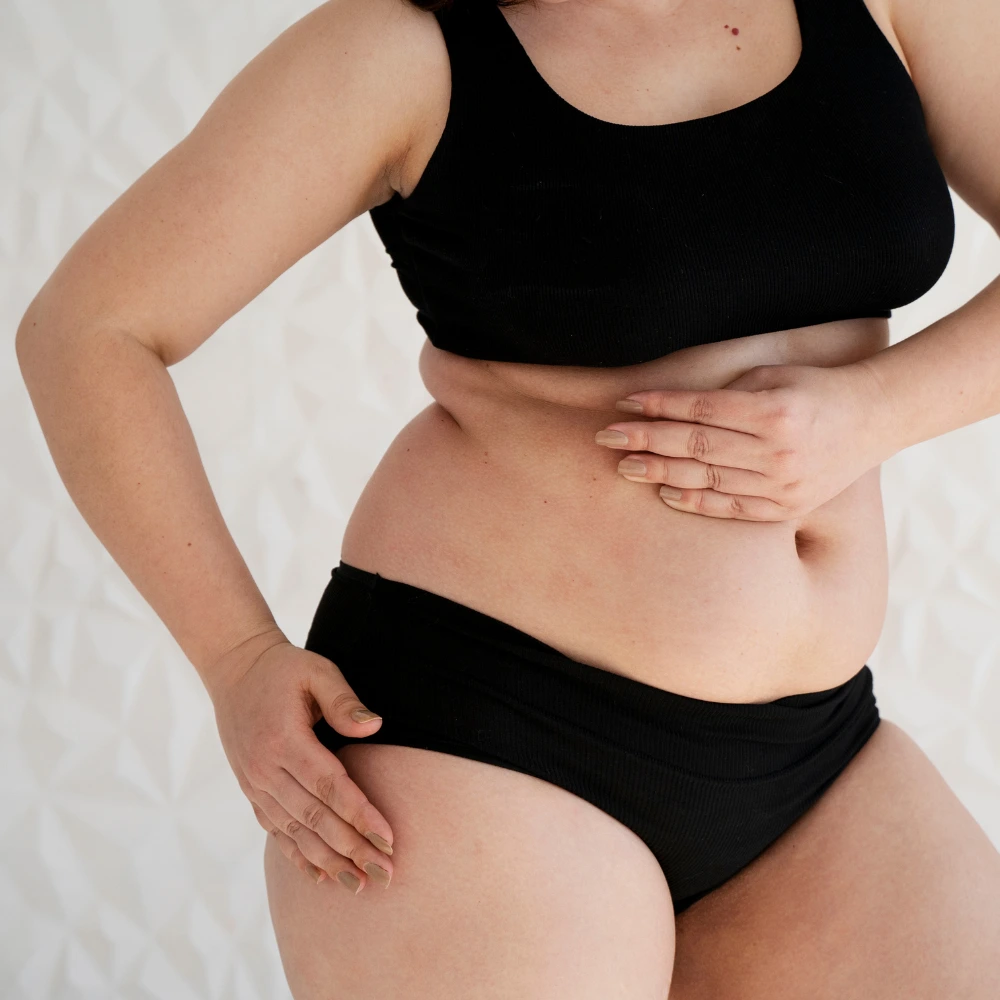
Body contouring is an umbrella term for refining shape and proportion. A plan may focus on fat, skin firmness, cellulite texture, muscle definition—or a combination of these concerns.
The best body-contouring plan starts by identifying what is changing the outline. A fat pocket, loose skin and limited muscle definition can look similar in clothing, but they require different treatment strategies.
Explore common contour questions in our love handles guide and Onda Pro vs fat freezing comparison.
Concern type A combination of body concerns
Primary goal Refine overall contours
Starting point Individual assessment
Expected approach Realistic, concern-led planning
These are common areas people ask about during a body contouring consultation. Suitability depends on the visible concern, tissue characteristics and health history—not the area name alone.
For shaping the midsection and improving overall proportion.
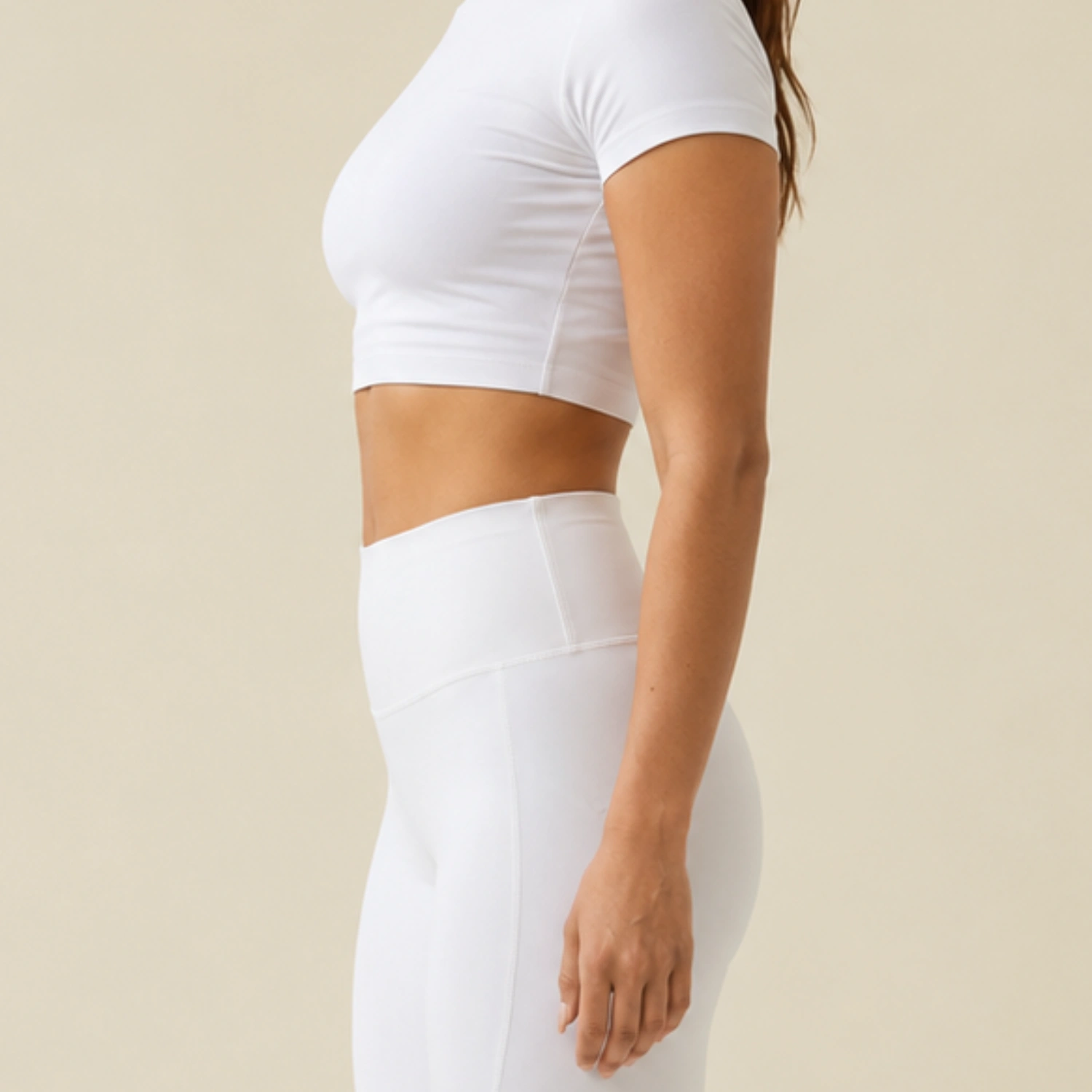
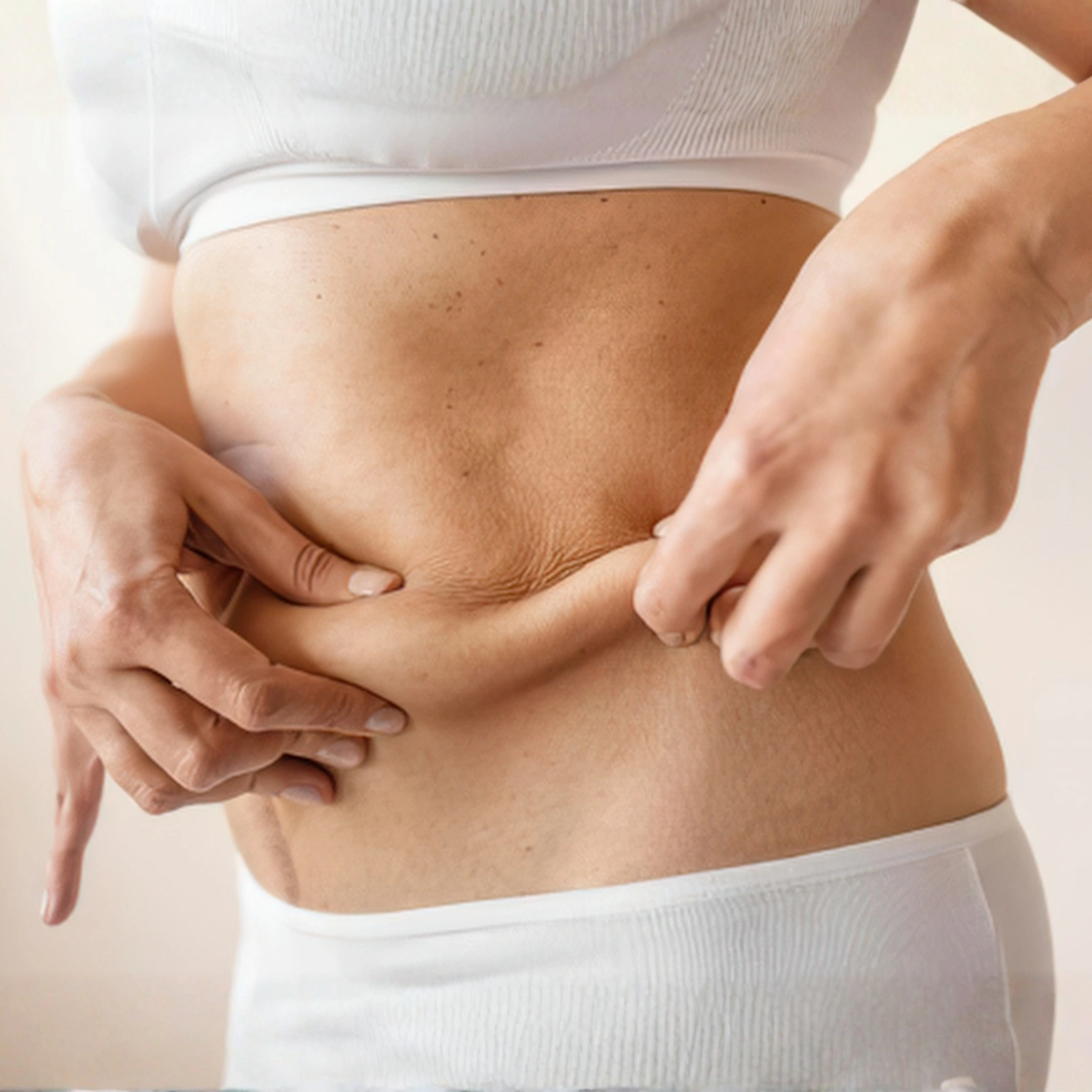
For smoothing transitions around the waist and hip line.
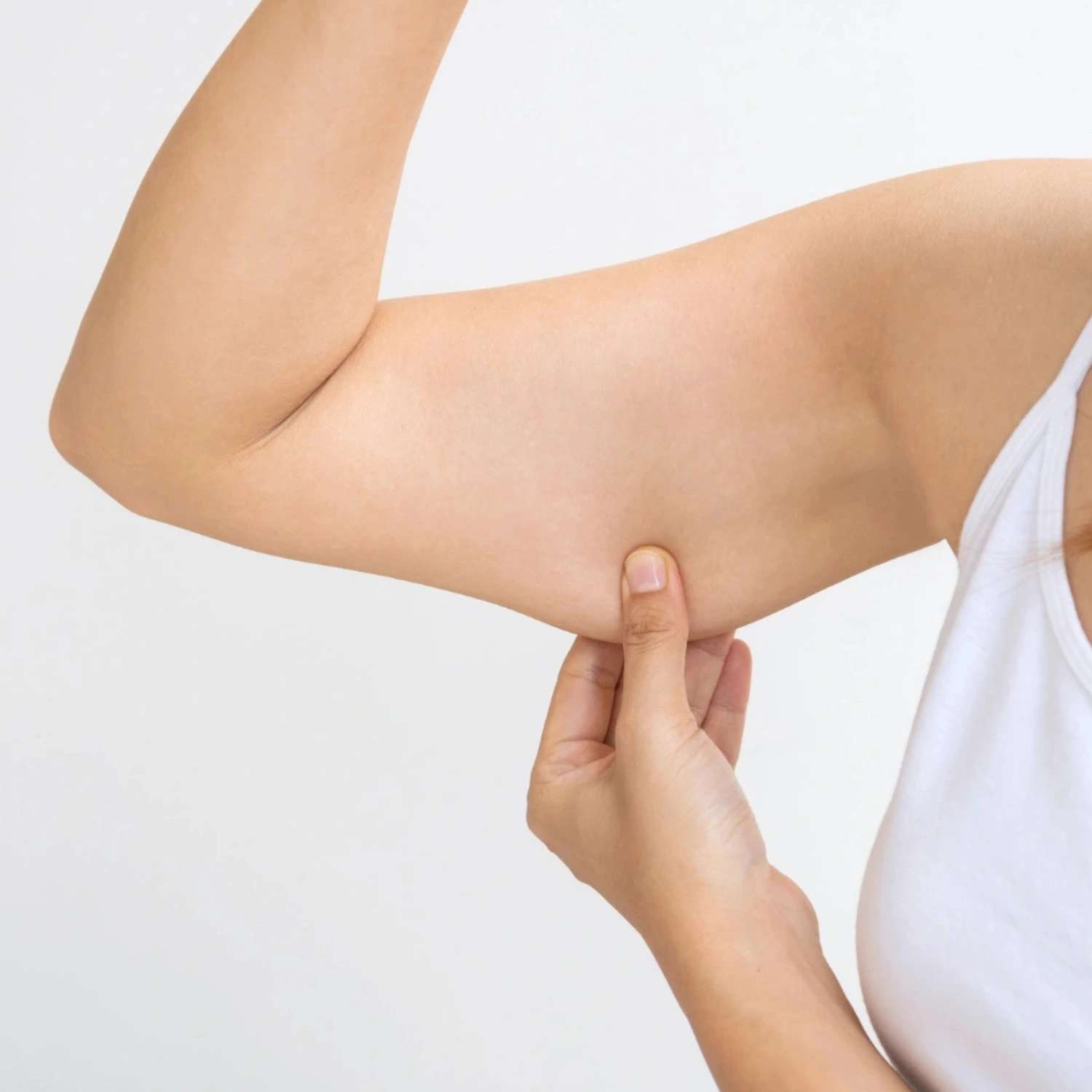
For refining the upper-arm silhouette.
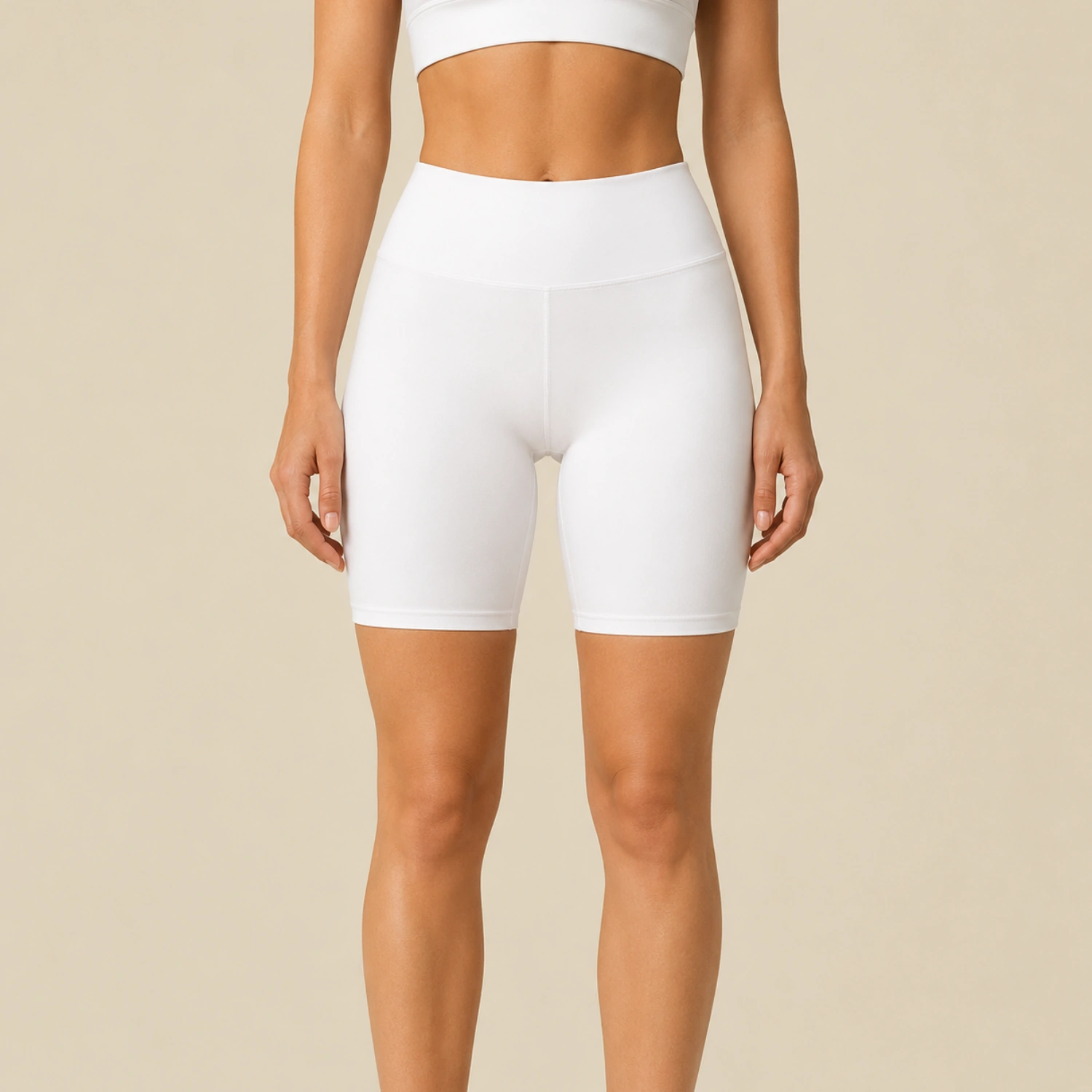
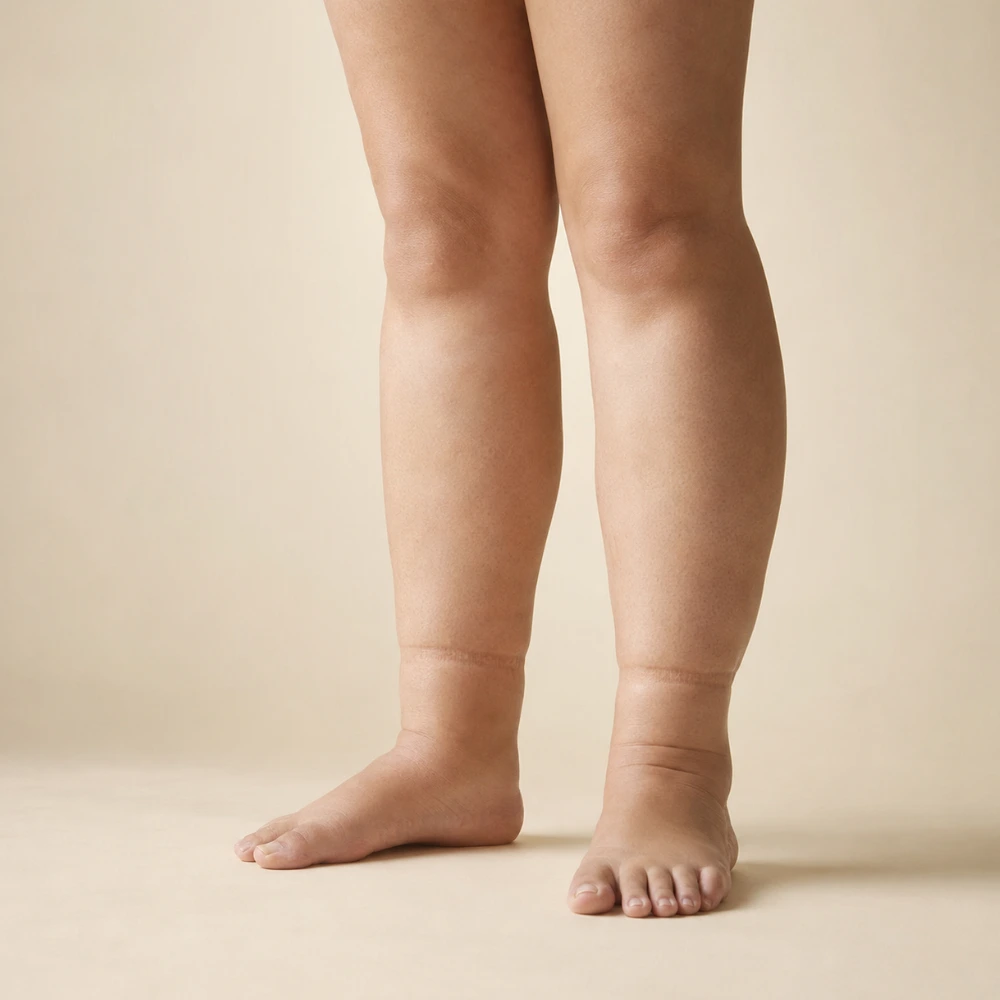
For balancing inner or outer thigh contours.
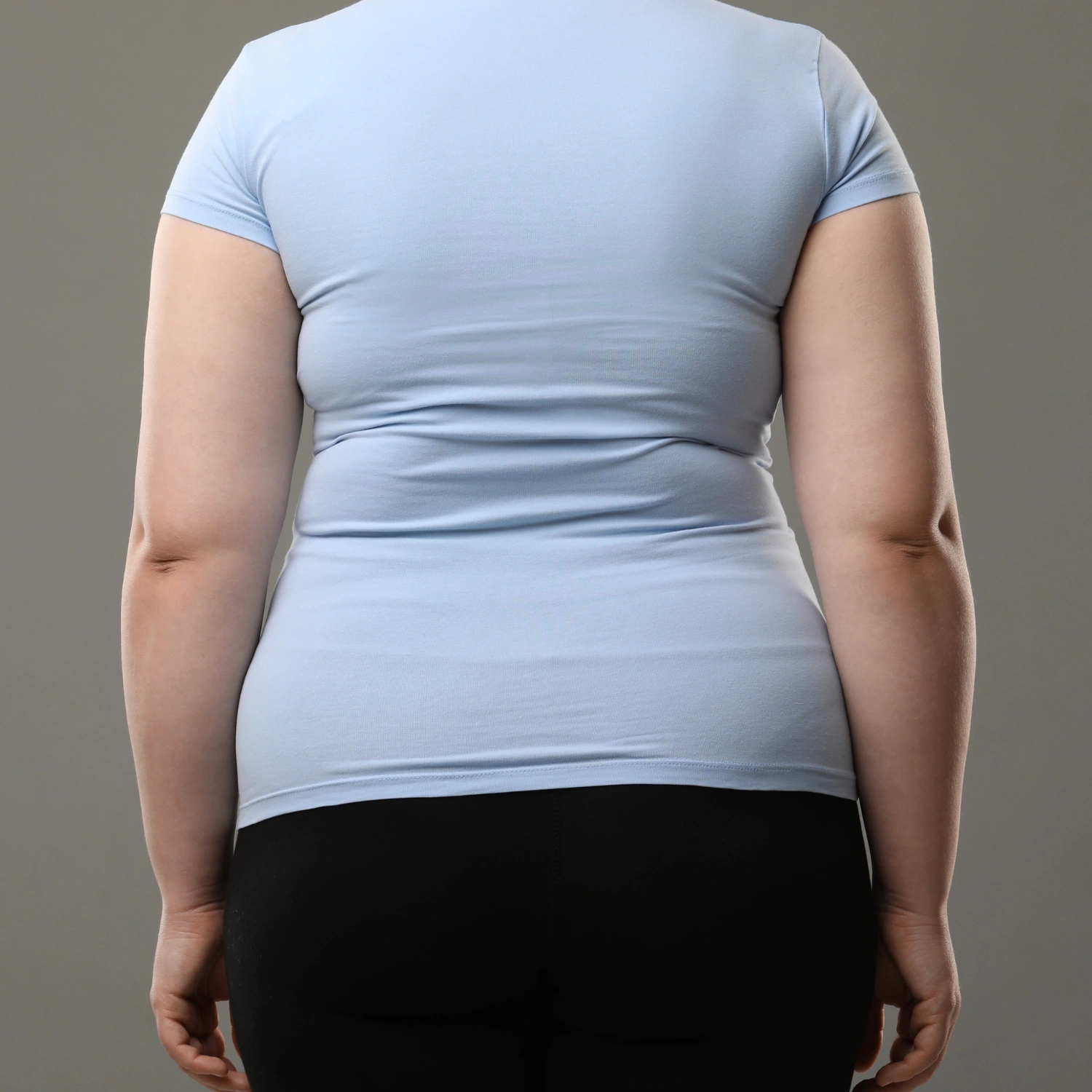
For smoothing areas that affect the back profile.
These signs can help identify a starting point, but they are not a diagnosis and do not automatically determine a treatment.
One area appears fuller, less defined or less balanced than the surrounding body shape.
The same region may combine localised fat, skin laxity, cellulite or weak visible definition.
Your goal is a smoother line under clothing rather than a specific number on the scale.
You prefer a non-surgical approach for selected areas with realistic, gradual improvement.
Contouring does not produce major overall weight reduction.
Different tissues may require different technologies or a staged plan.
Non-surgical treatment cannot remove large amounts of excess skin or tissue.
Changes are generally gradual and vary between individuals.
Non-surgical body contouring is cosmetic and does not replace medical weight management, physiotherapy or surgery when those are more appropriate.
A suitable option is selected only after reviewing the target area, tissue characteristics, contraindications and realistic goal.
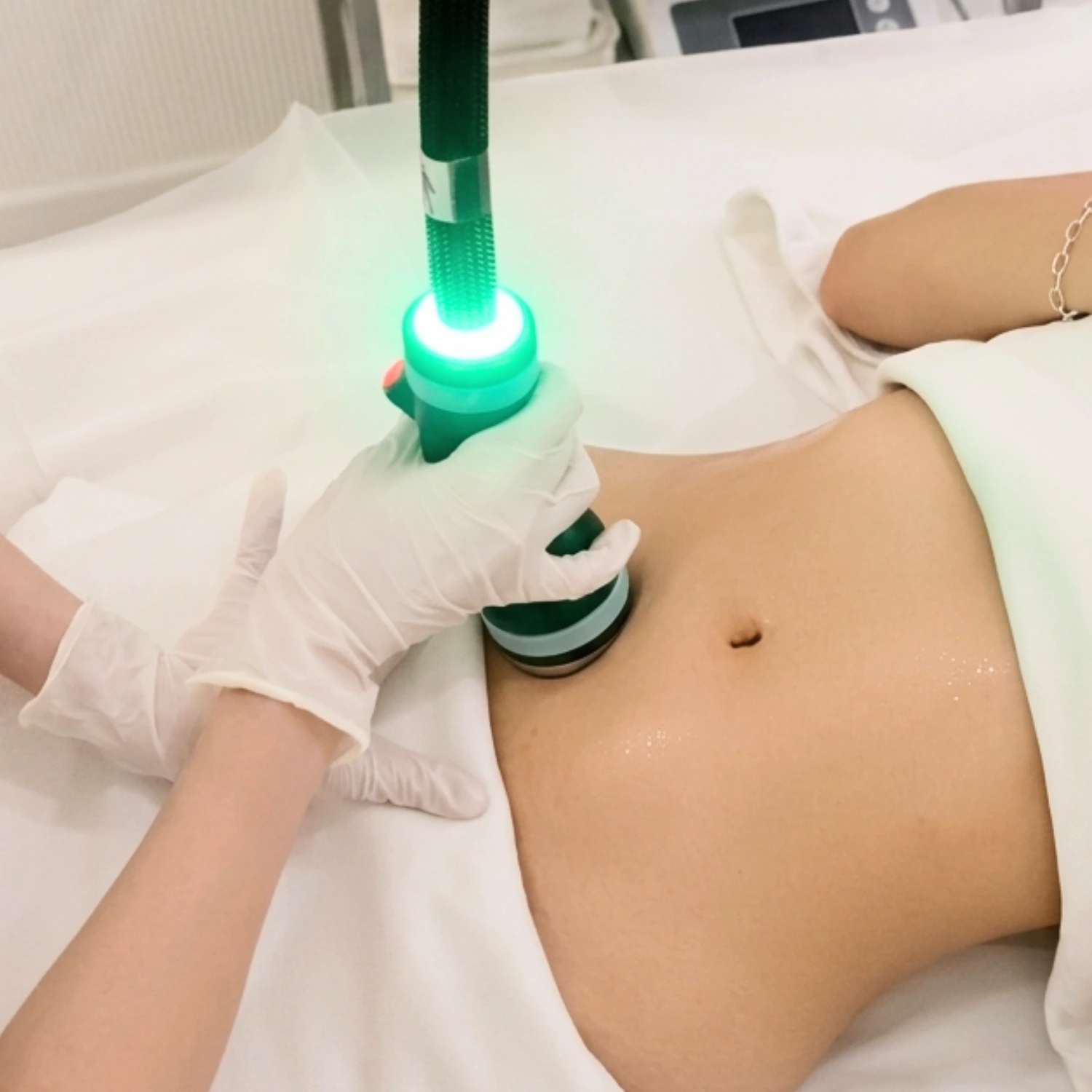
A non-invasive body contouring option discussed for selected fat pockets, cellulite appearance and mild skin laxity.
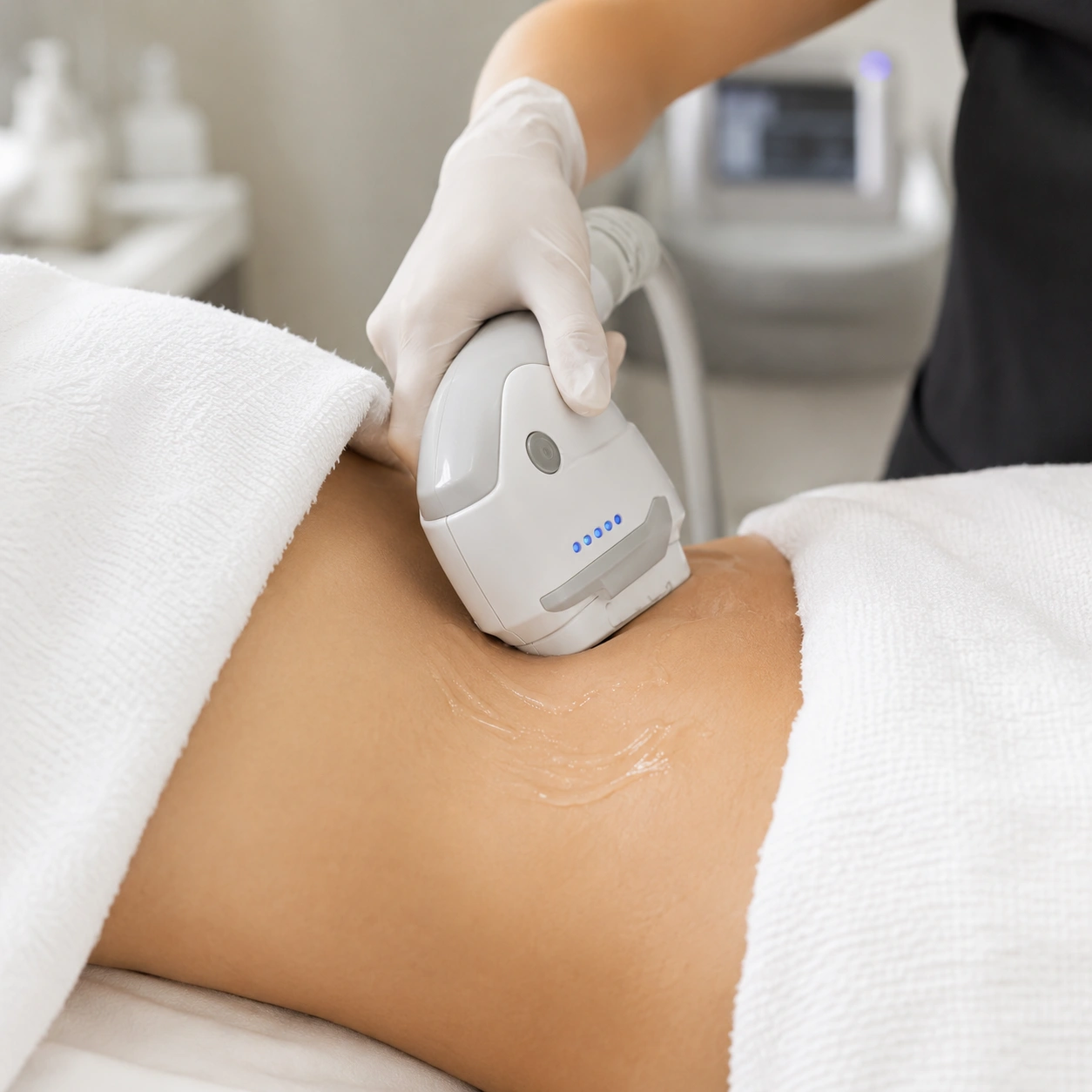
Focused ultrasound considered for contour refinement and firmer-looking skin in selected areas.
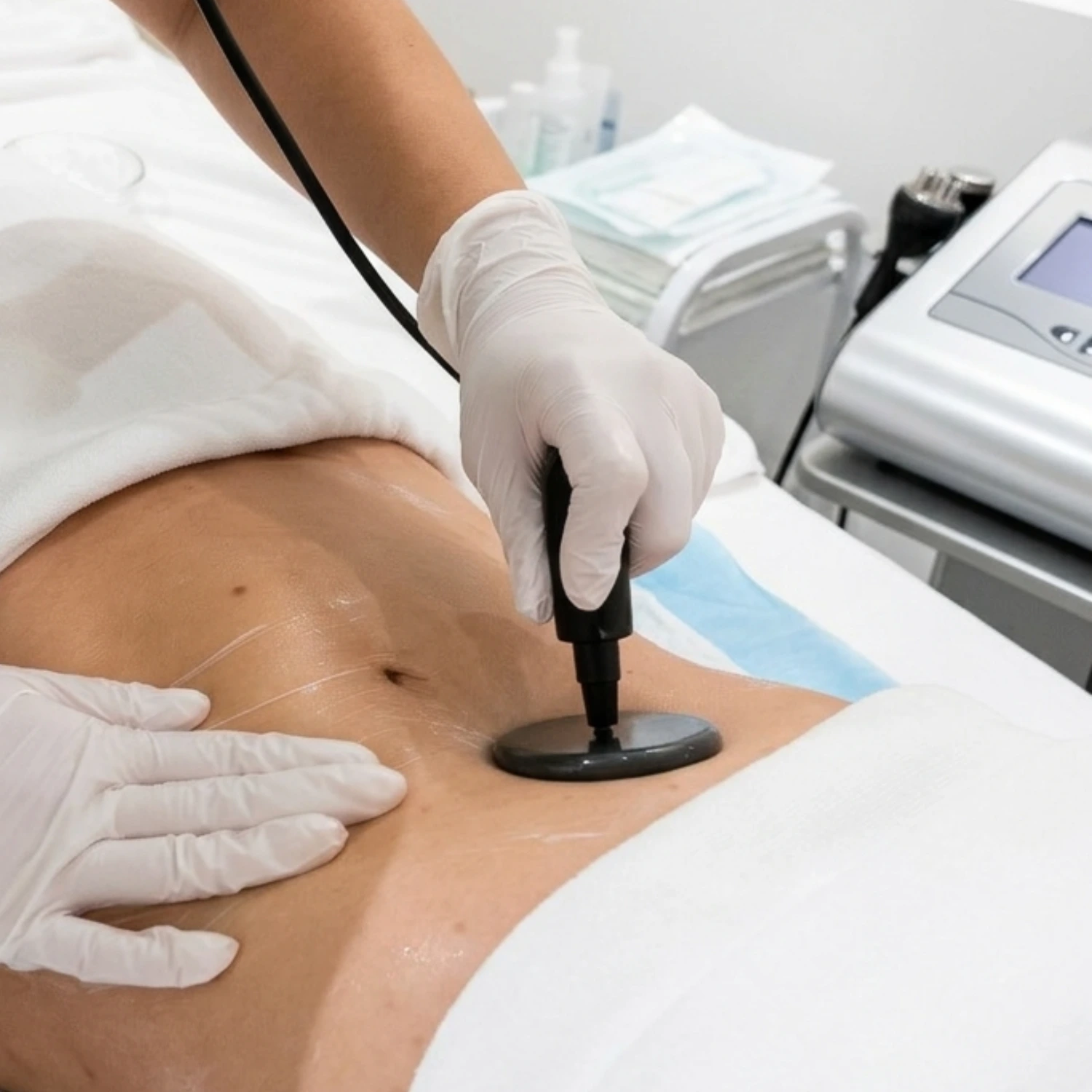
Comfortable radiofrequency-based body care discussed for contour support and smoother-looking skin.
A device name is not a diagnosis. Assessment first

We confirm the visible concern, discuss the target area and review relevant health history, contraindications and realistic goals.
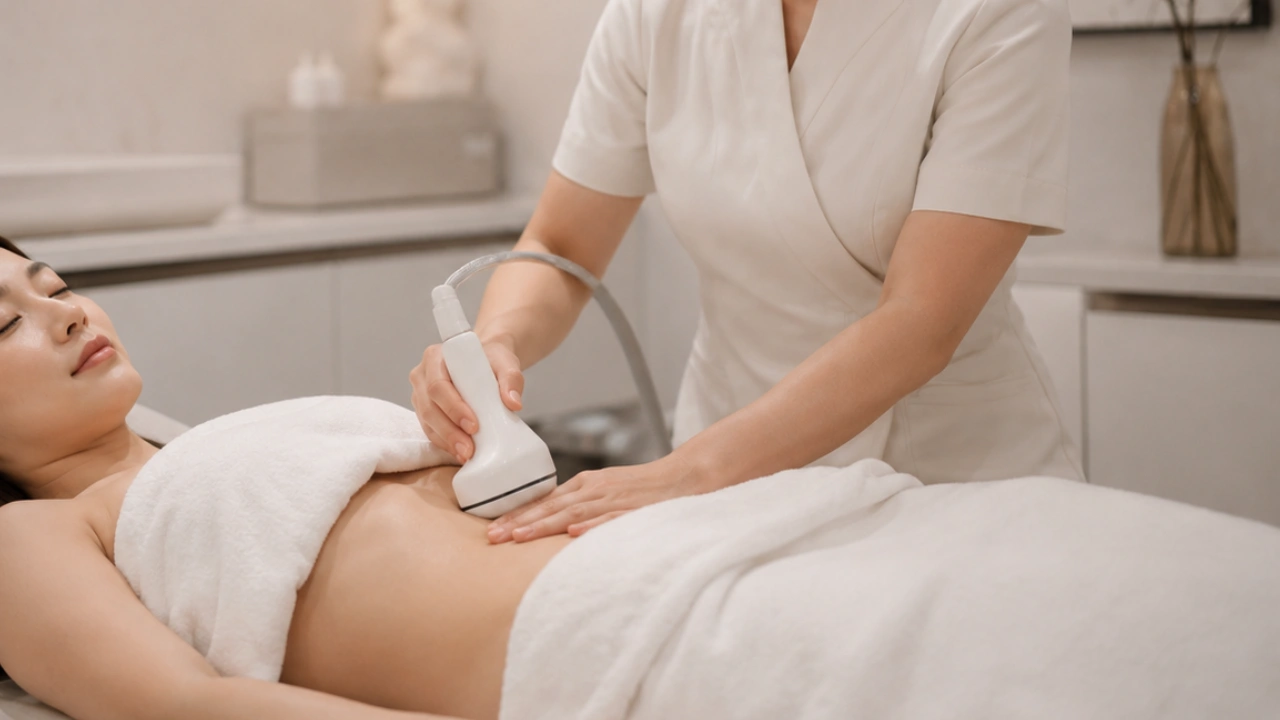
We match the concern with suitable technologies, treatment areas and a session plan based on your assessment and preferences.

Your treatment is delivered with attention to comfort, followed by practical aftercare, progress comparison and plan adjustments where appropriate.
General cosmetic information only. Treatment suitability and results vary, and an individual assessment is required before treatment.
Body contouring refers to treatments intended to refine the visible shape of selected body areas. Depending on the concern, a plan may address localised fat, skin firmness, cellulite appearance or muscle definition.
Not exactly. Slimming is often used broadly, while contouring is more specifically about shape and proportion in selected areas.
There is no single best device for everyone. The right starting point depends on whether the outline is mainly affected by fat, skin laxity, cellulite, muscle definition or a combination.
A staged combination may be discussed when more than one tissue concern is present. Treatments should not be combined automatically; timing and suitability matter.
Some non-surgical technologies may support firmer-looking skin in mild cases. Significant excess skin is unlikely to respond in the same way and may require medical or surgical advice.
Timelines differ by treatment. Some effects appear gradually over several weeks, while muscle-focused or wellness treatments may follow a different review schedule.
Treatment should only be considered after pregnancy and breastfeeding, once the body has stabilised and any medical concerns—such as abdominal muscle separation—have been assessed appropriately.