01
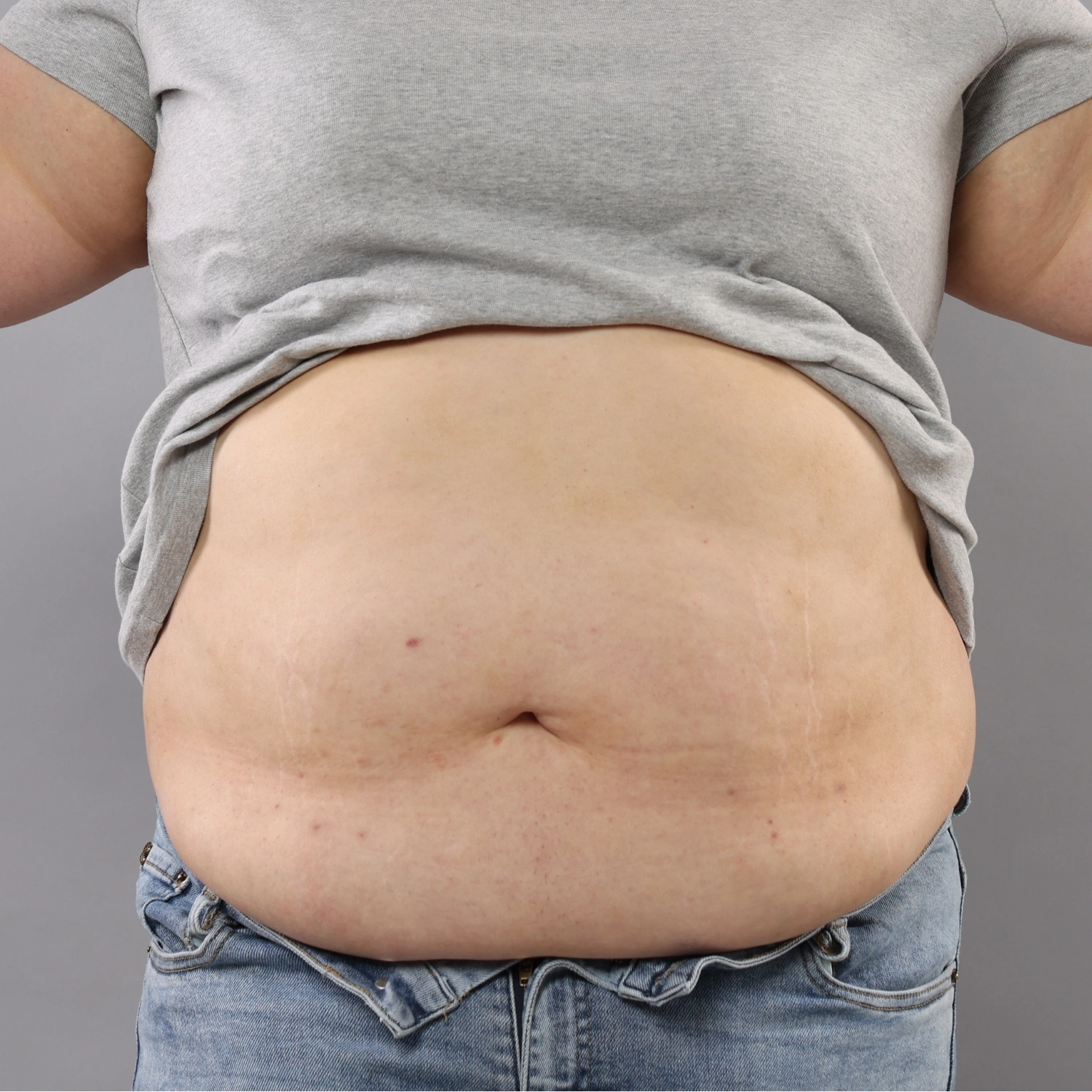
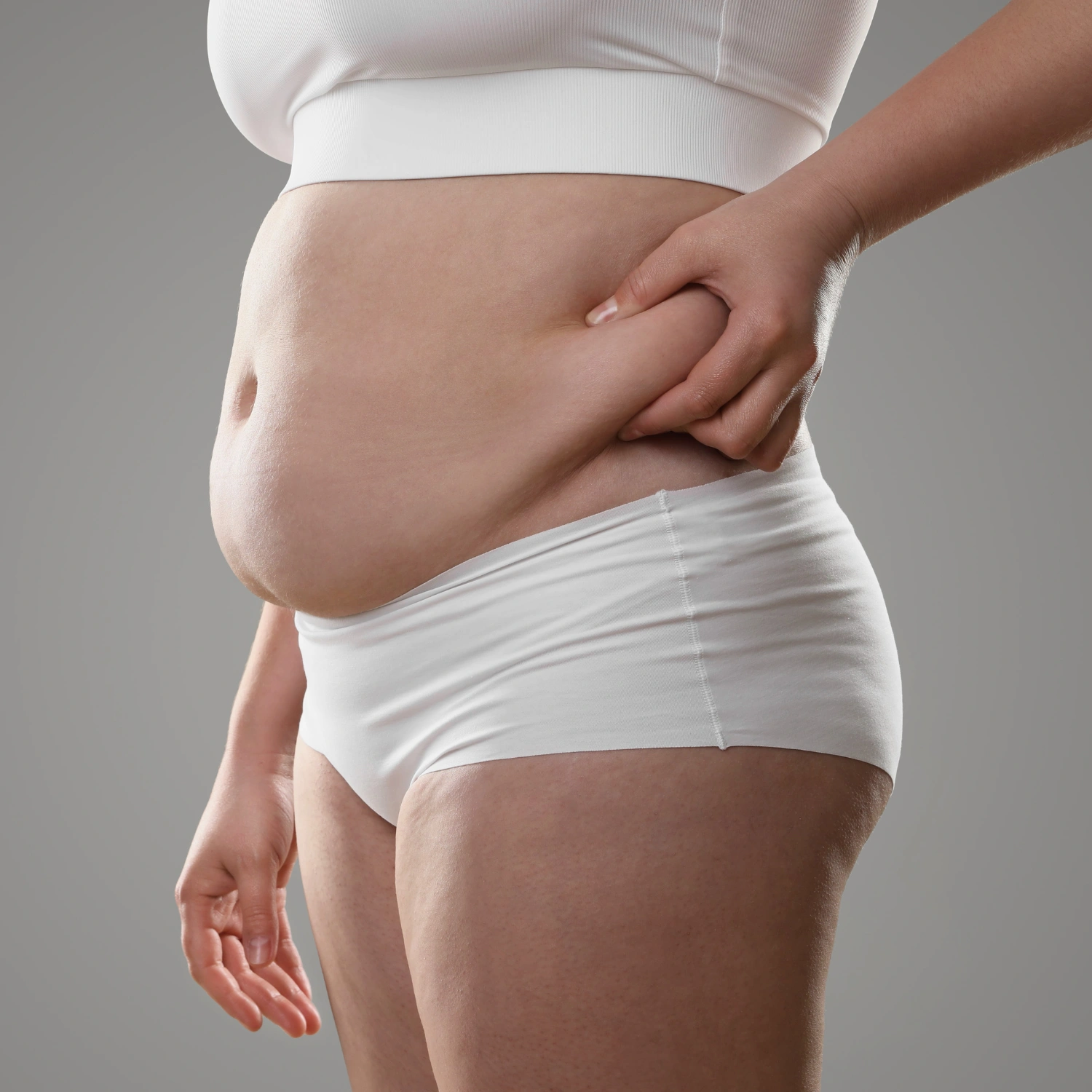
Lower abdomen
For mild loose-looking skin after weight or body changes.

Personalised non-invasive body treatments in Orchard, Singapore, guided by your concerns, comfort and realistic goals.

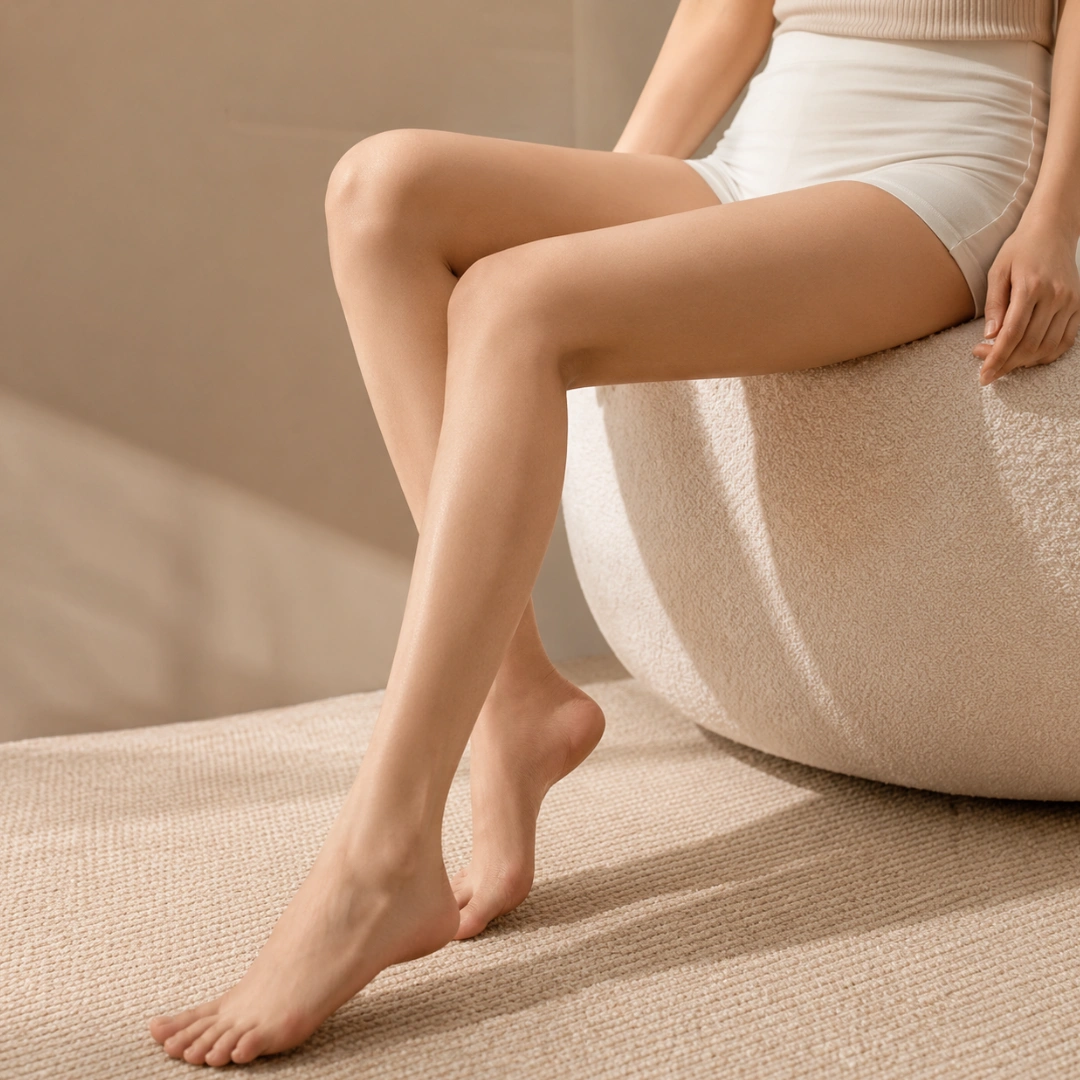




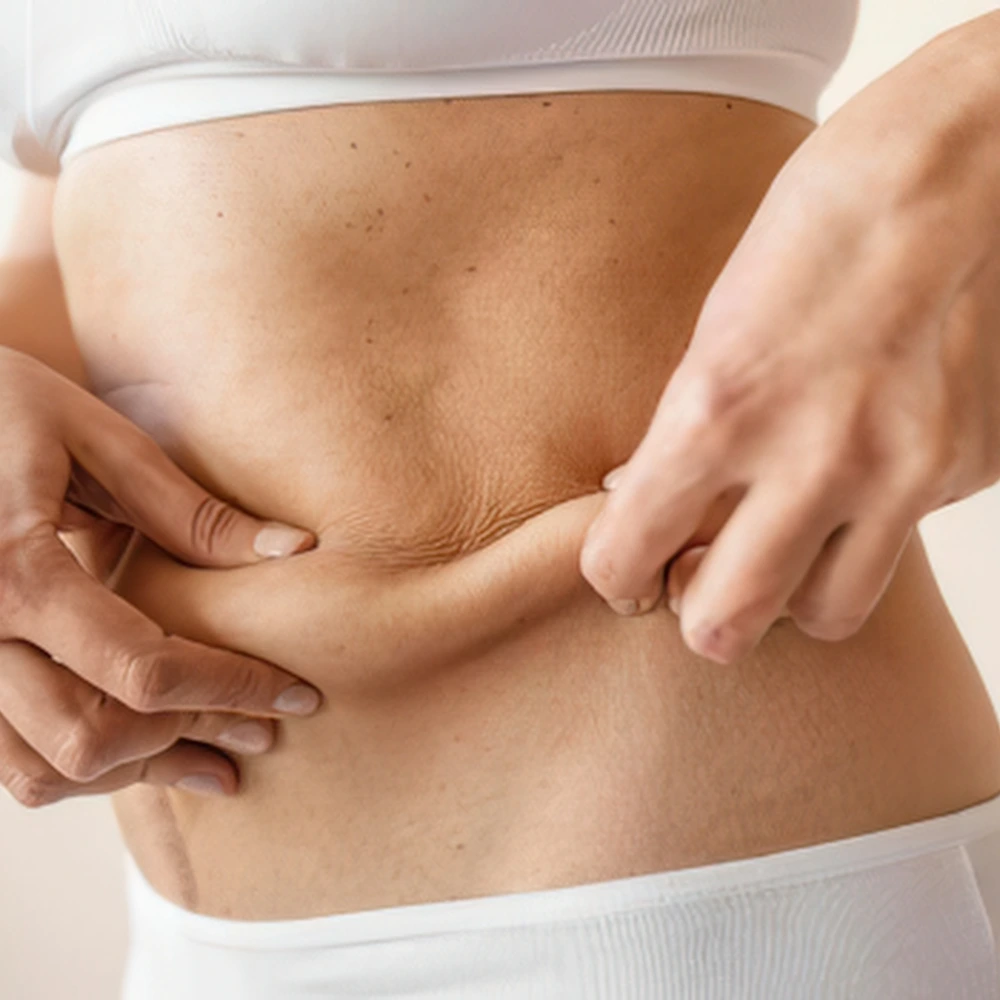
Body skin tightening treatments are generally considered for mild laxity, fine creasing or a less firm appearance. They cannot remove a large apron of excess skin or reproduce surgical lifting.
Skin tightening is most relevant when the main concern is the quality and firmness of the skin—not simply the amount of fat underneath it. A consultation should assess skin thickness, elasticity, fat volume and the degree of laxity.
Concern type Mild laxity or fine creasing
Primary goal Support firmer-looking skin
Starting point Individual assessment
Expected approach Realistic, concern-led planning
These are common areas people ask about during a skin tightening consultation. Suitability depends on the visible concern, tissue characteristics and health history—not the area name alone.
For mild loose-looking skin after weight or body changes.
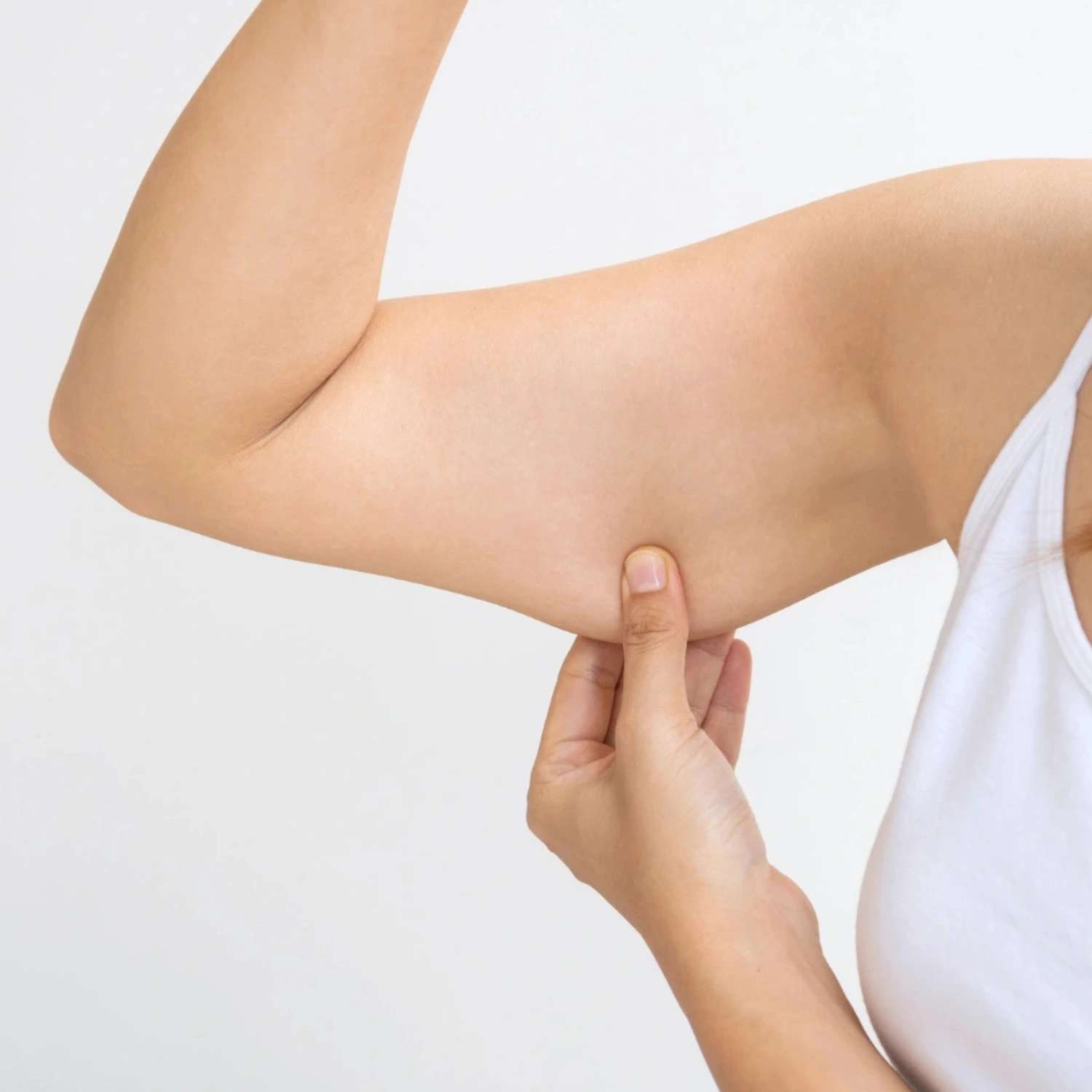
For improving the appearance of mild upper-arm laxity.
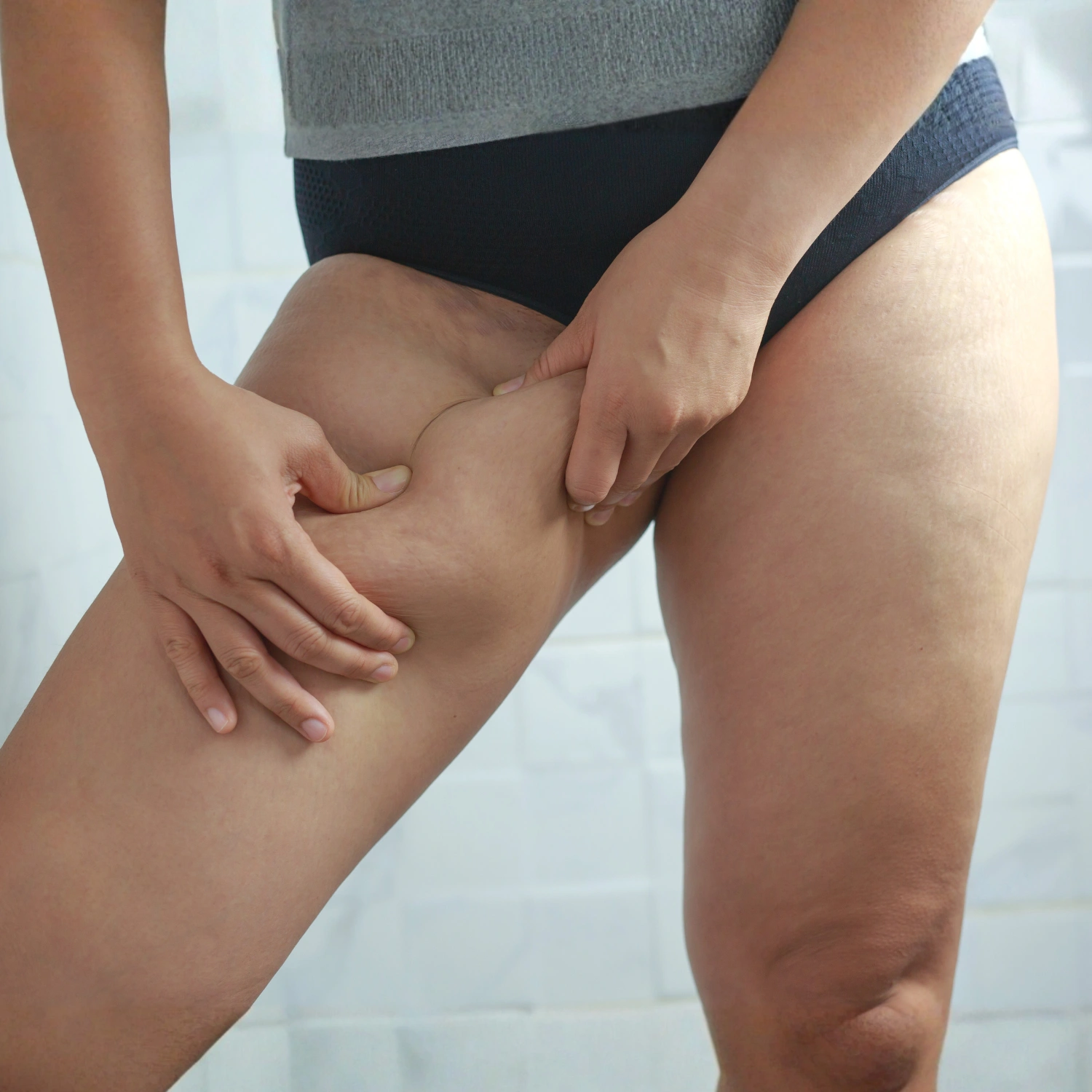
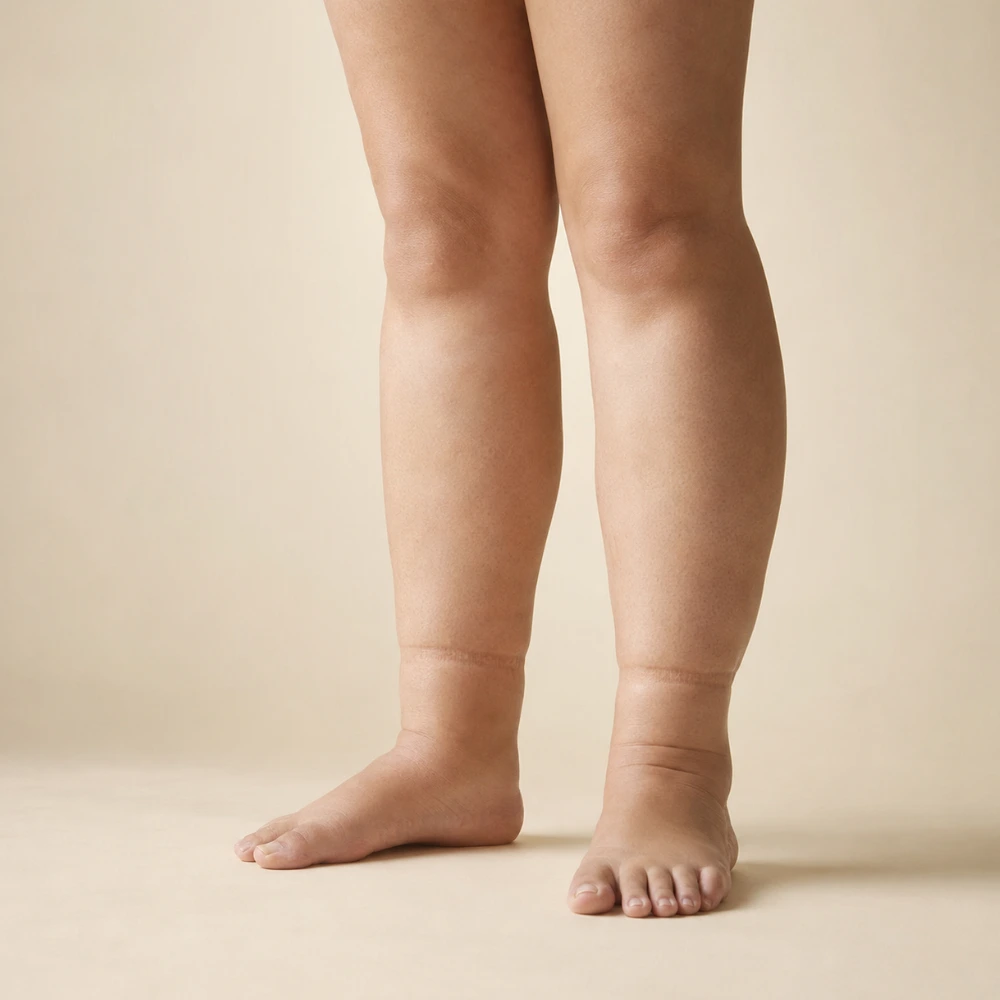
For firmer-looking skin along the inner thighs.
These signs can help identify a starting point, but they are not a diagnosis and do not automatically determine a treatment.
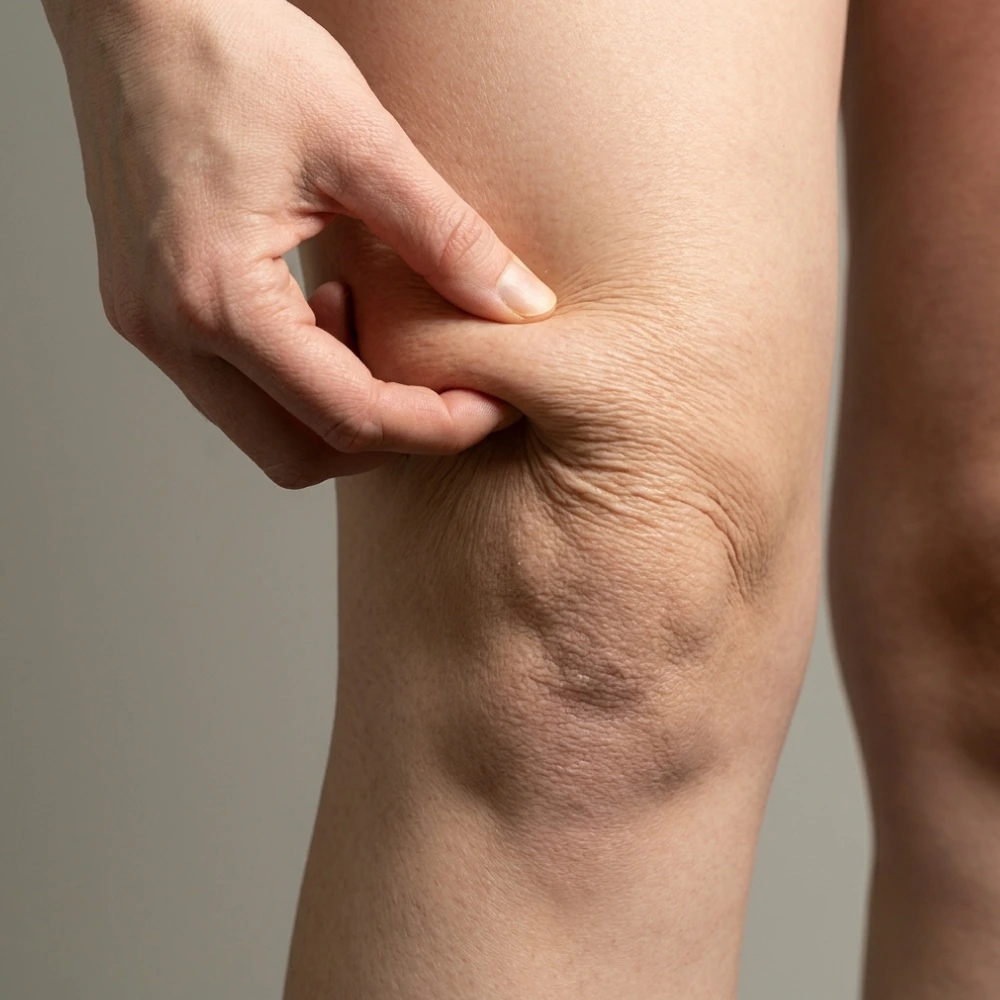
The skin appears lightly wrinkled or crepey, especially when the body bends or moves.
The area looks less firm but does not have a large fold of hanging excess skin.
Skin quality has changed after ageing, weight fluctuation or pregnancy.
A small fat pocket may sit beneath skin that also needs firming support.
Significant hanging skin is unlikely to be corrected by non-surgical devices.
Cellulite is a dimpled surface pattern influenced by connective bands and fat beneath the skin.
Stretch marks are a type of scar and require a separate discussion.
Limited definition beneath the skin may need a muscle-focused approach rather than skin energy alone.
New, painful, inflamed or changing skin should be assessed medically before any cosmetic treatment is considered.
A suitable option is selected only after reviewing the target area, tissue characteristics, contraindications and realistic goal.
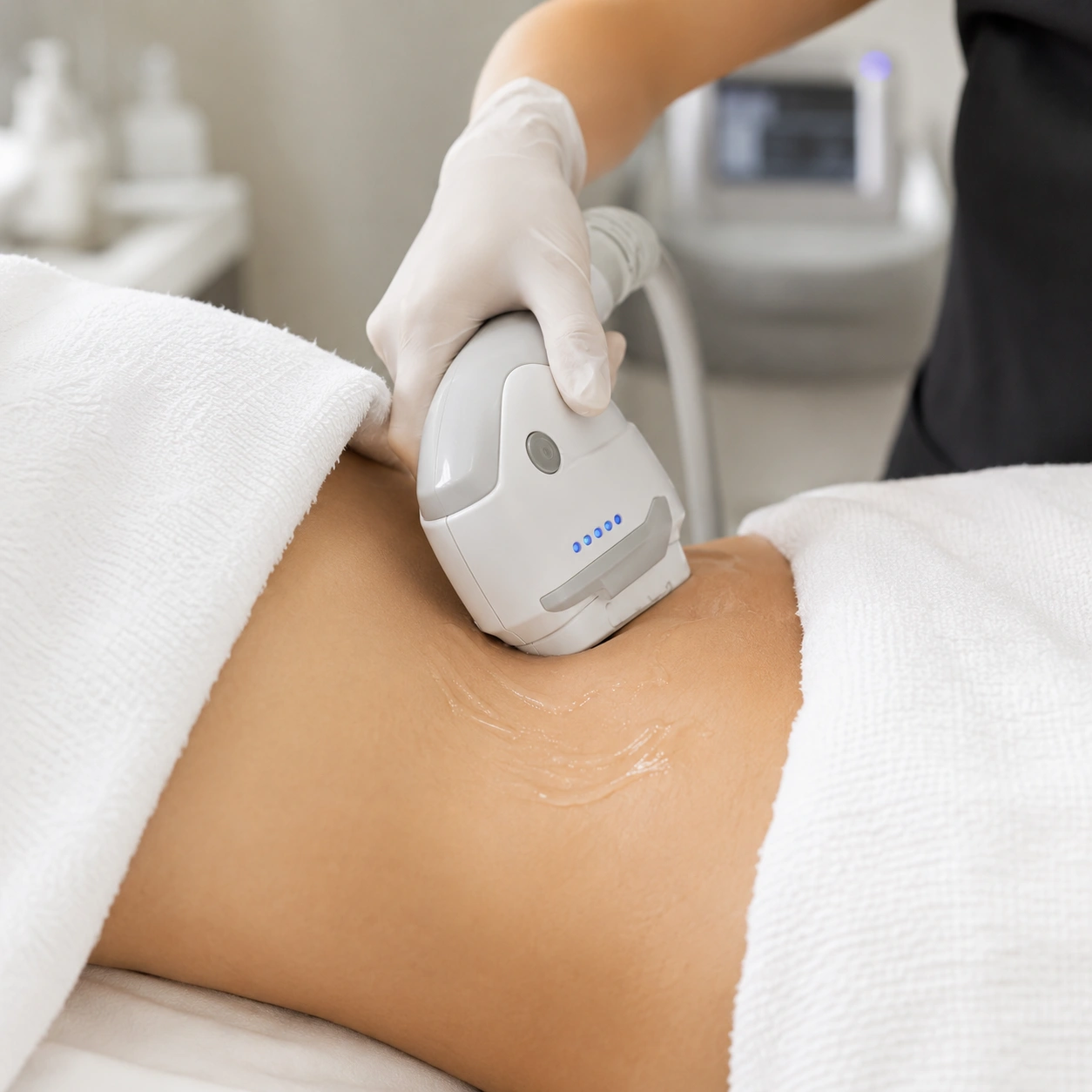
Focused ultrasound considered for contour refinement and firmer-looking skin in selected areas.
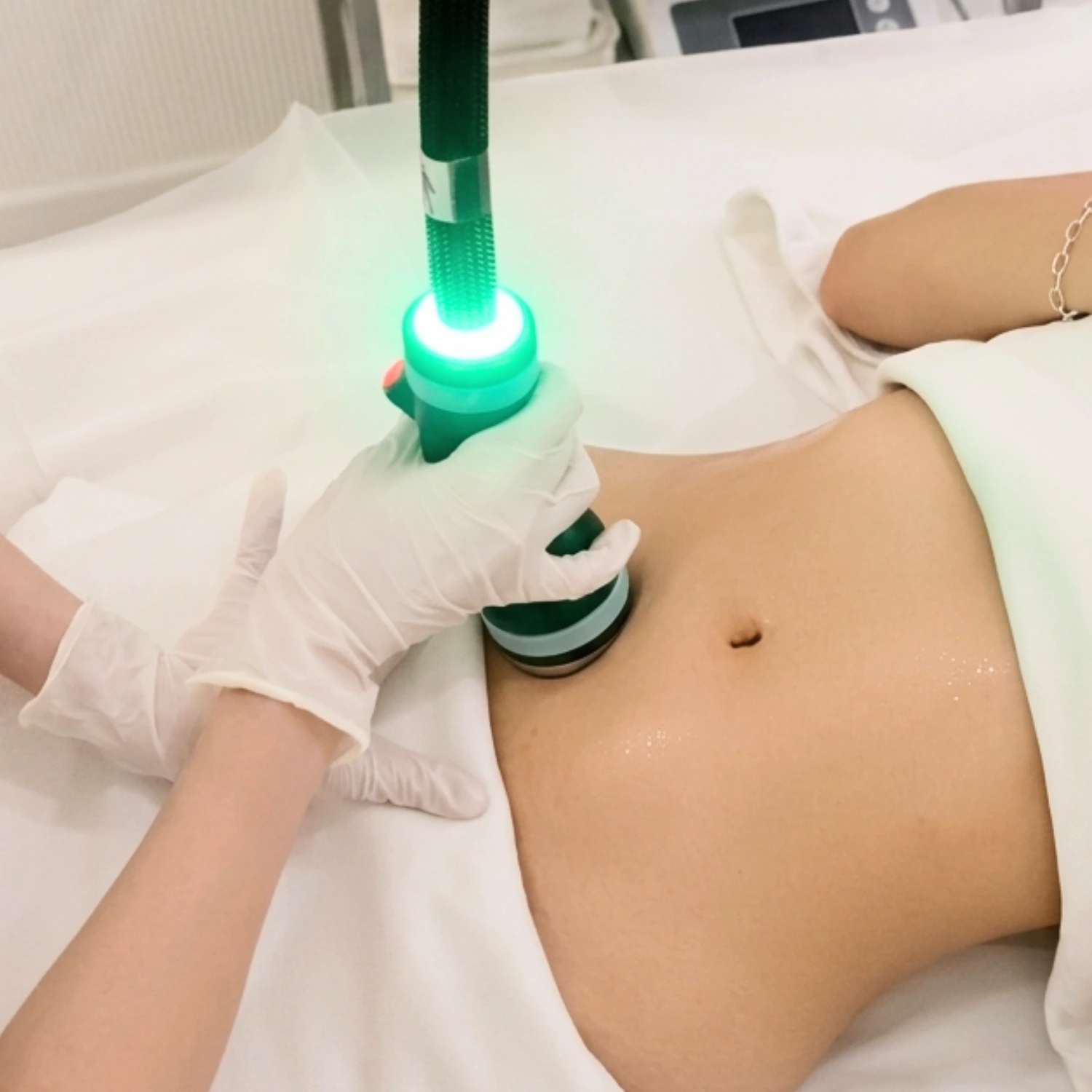
A non-invasive body contouring option discussed for selected fat pockets, cellulite appearance and mild skin laxity.
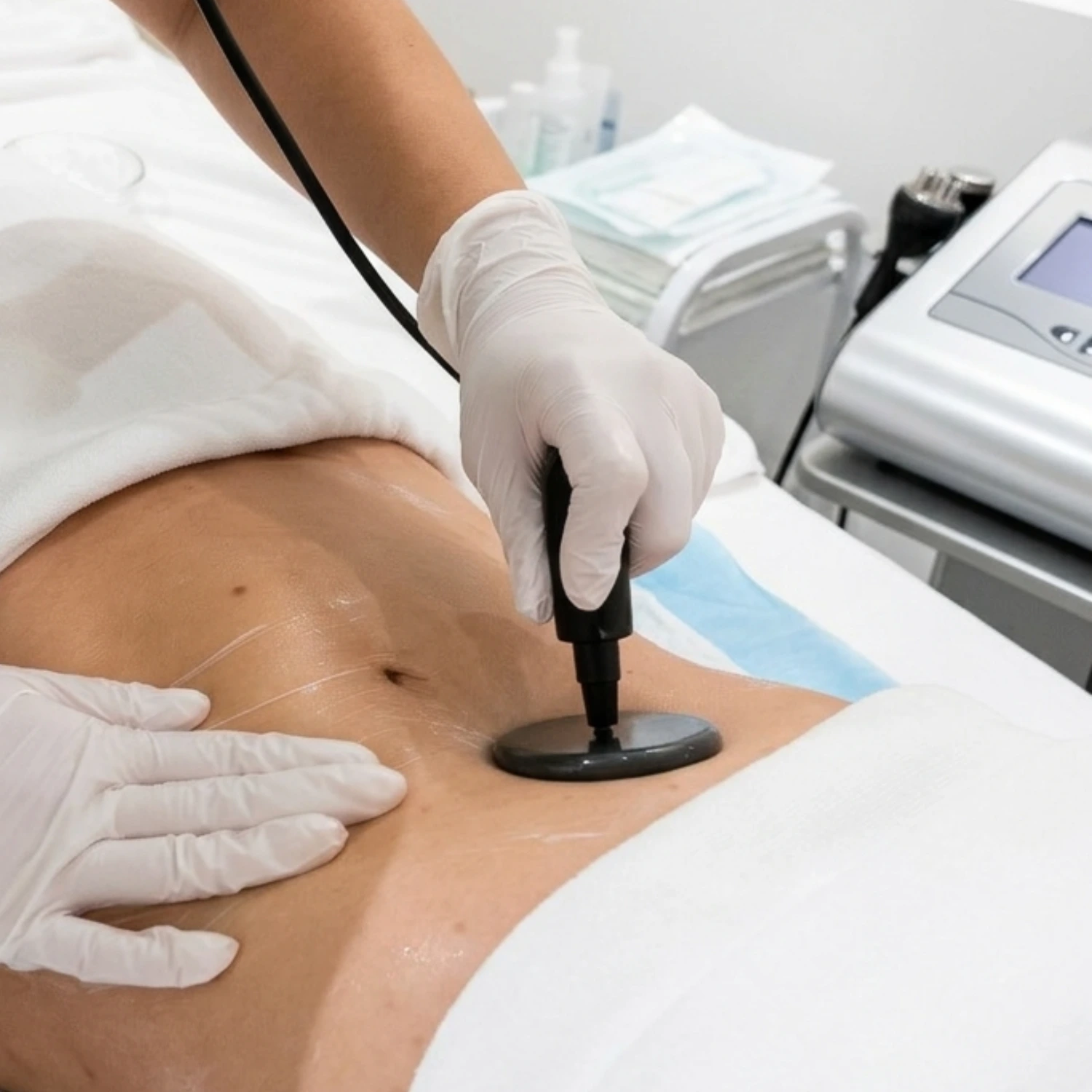
Comfortable radiofrequency-based body care discussed for contour support and smoother-looking skin.
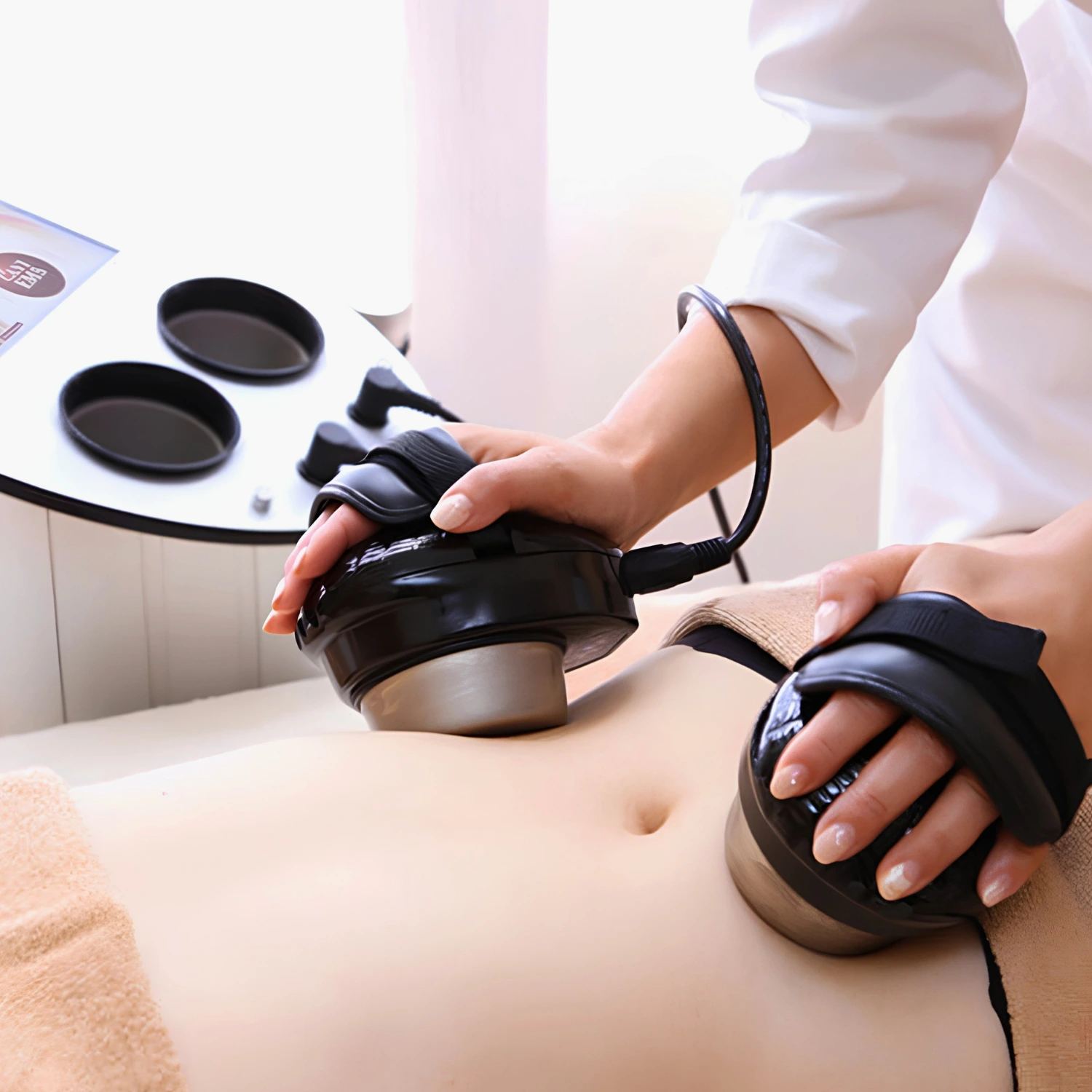
Ultrasonic body sculpting discussed for selected contour, texture and firming goals.
A device name is not a diagnosis. Assessment first
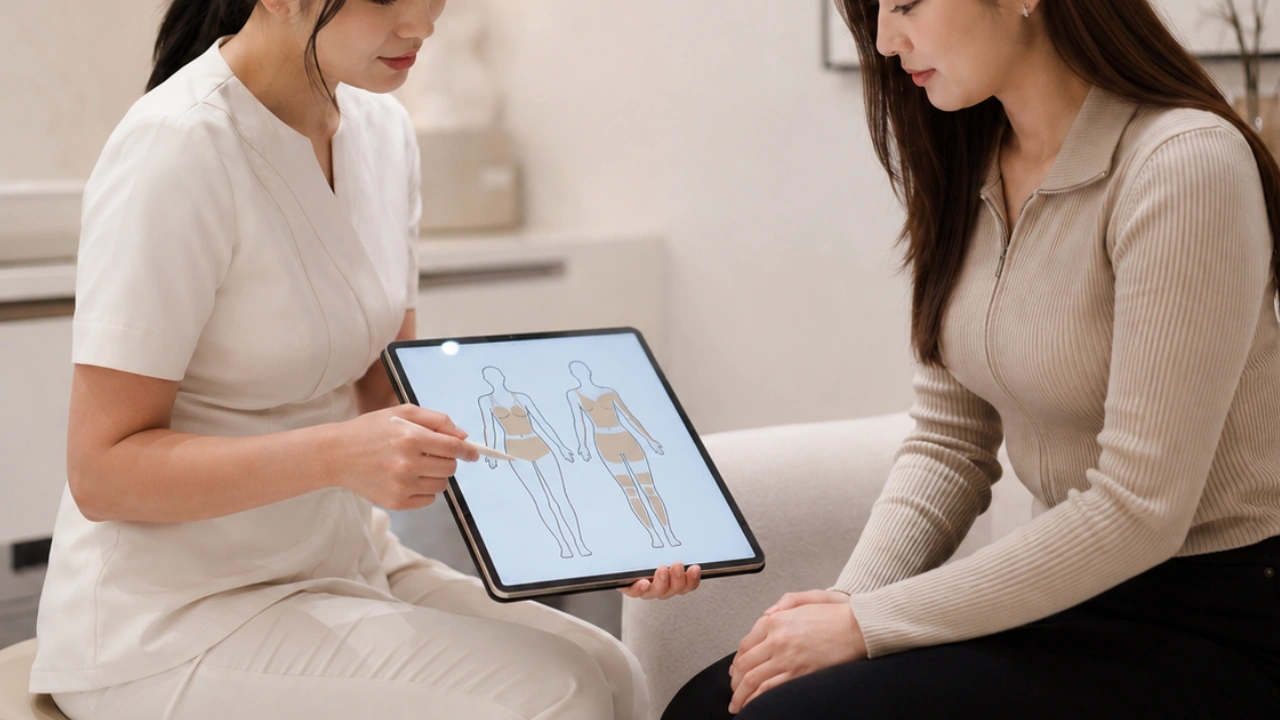
We confirm the visible concern, discuss the target area and review relevant health history, contraindications and realistic goals.
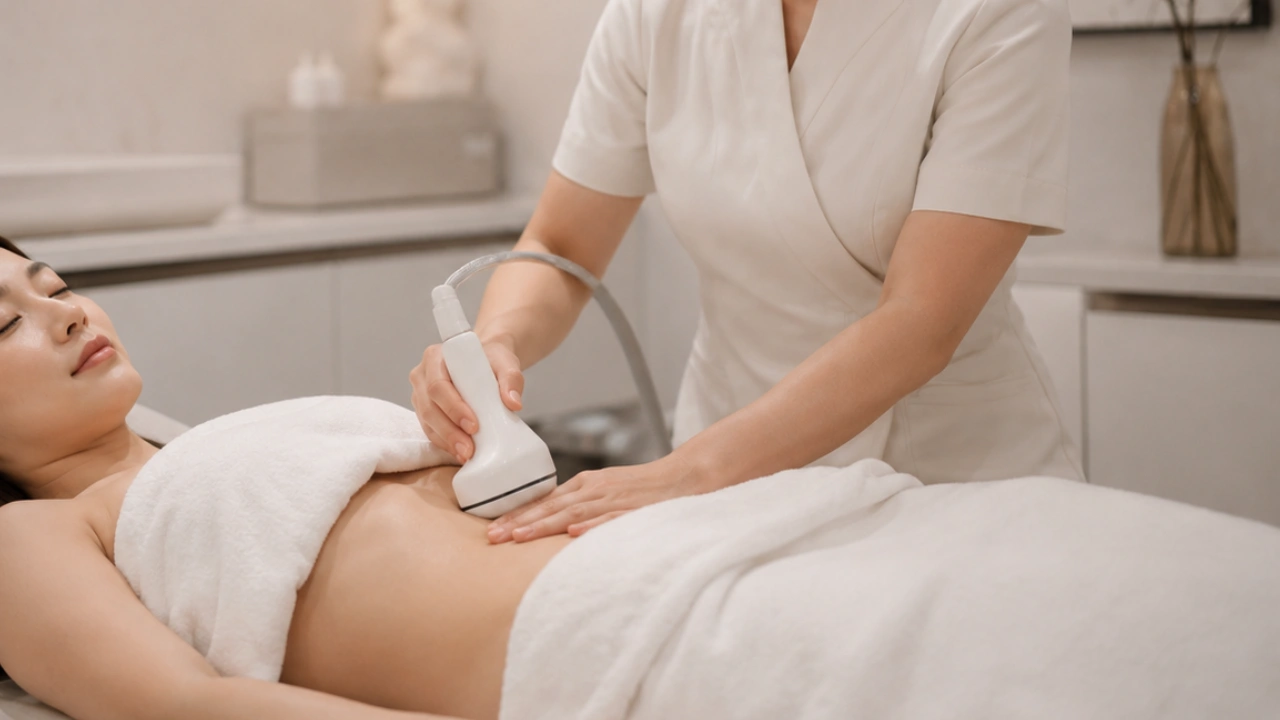
We match the concern with suitable technologies, treatment areas and a session plan based on your assessment and preferences.
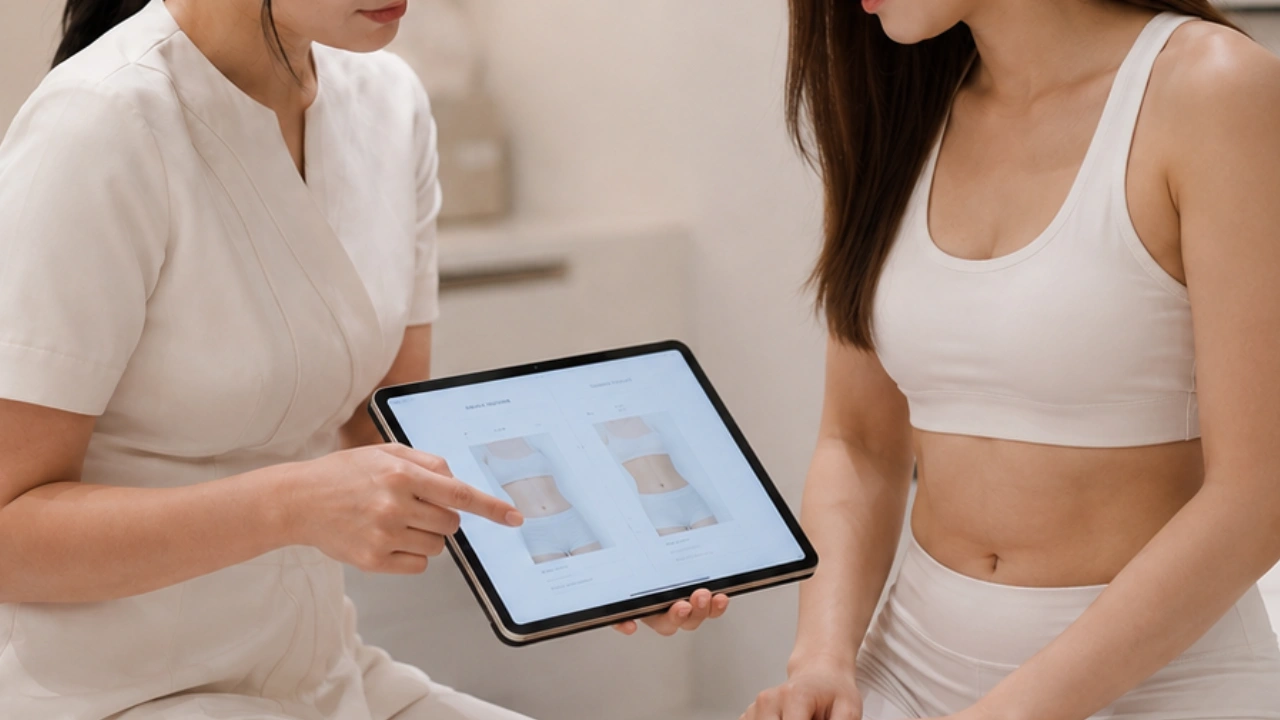
Your treatment is delivered with attention to comfort, followed by practical aftercare, progress comparison and plan adjustments where appropriate.
General cosmetic information only. Treatment suitability and results vary, and an individual assessment is required before treatment.
Ageing, pregnancy, weight changes, genetics and sun exposure can affect collagen, elasticity and the relationship between skin and underlying tissue.
No. It may support firmer-looking skin in mild cases, but it does not cut away or remove significant excess skin.
Commonly discussed areas include the abdomen, upper arms, inner thighs, knees, waist and selected back areas. Suitability varies by device and skin condition.
No. Skin tightening targets the appearance of laxity or firmness, while fat reduction focuses on localised fat tissue. Some plans may consider both.
Longevity varies with the technology, the degree of improvement, ageing, sun exposure and future weight changes. Maintenance may be discussed.
Mild crepey texture may be discussed, but very thin, damaged or significantly lax skin may respond differently and should be assessed carefully.
Possibly, once your weight is stable. The amount of remaining skin and the quality of the tissue determine whether a non-surgical option is realistic.