01
Abdomen
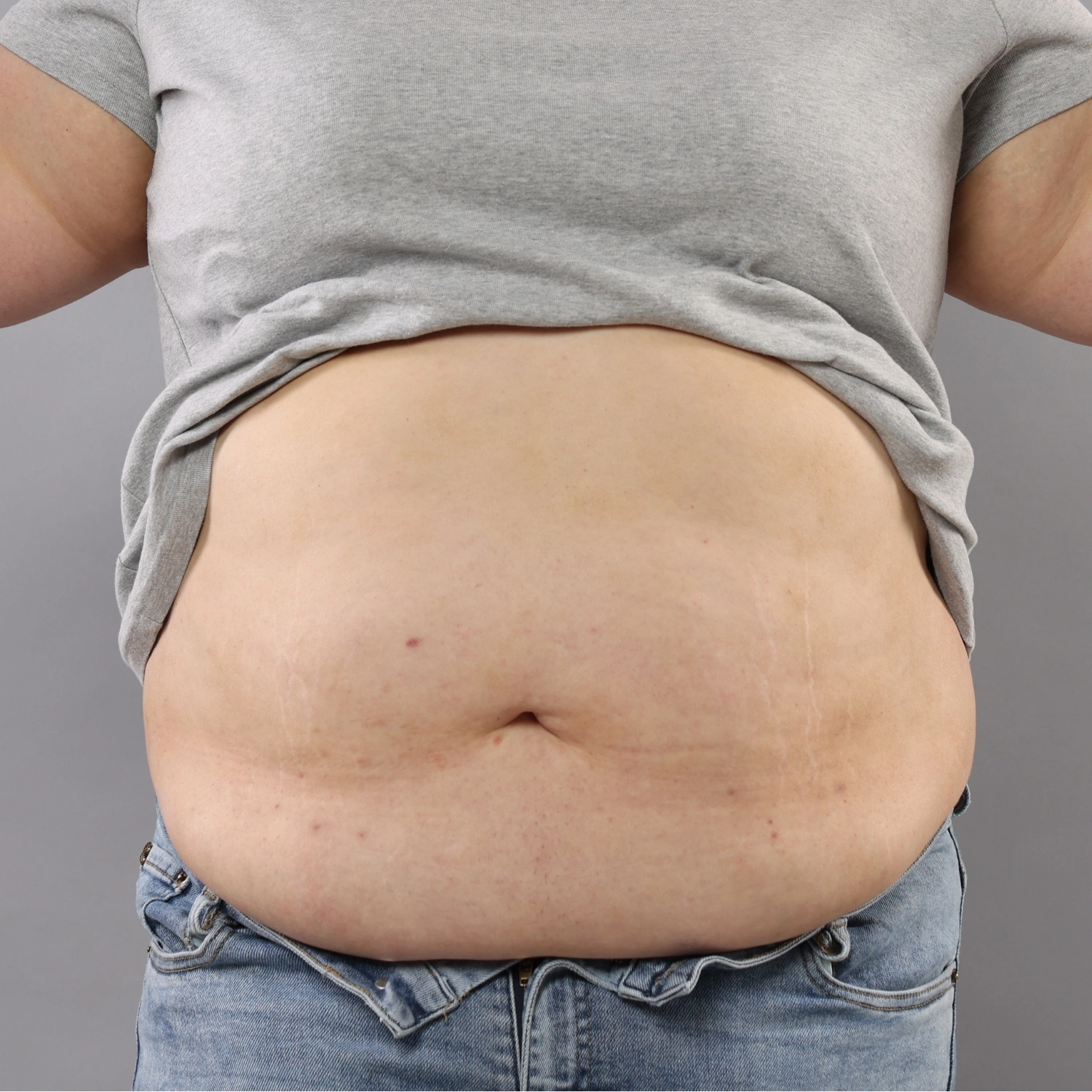
A common area for stretch marks following growth, pregnancy or body change.

Personalised non-invasive body treatments in Orchard, Singapore, guided by your concerns, comfort and realistic goals.

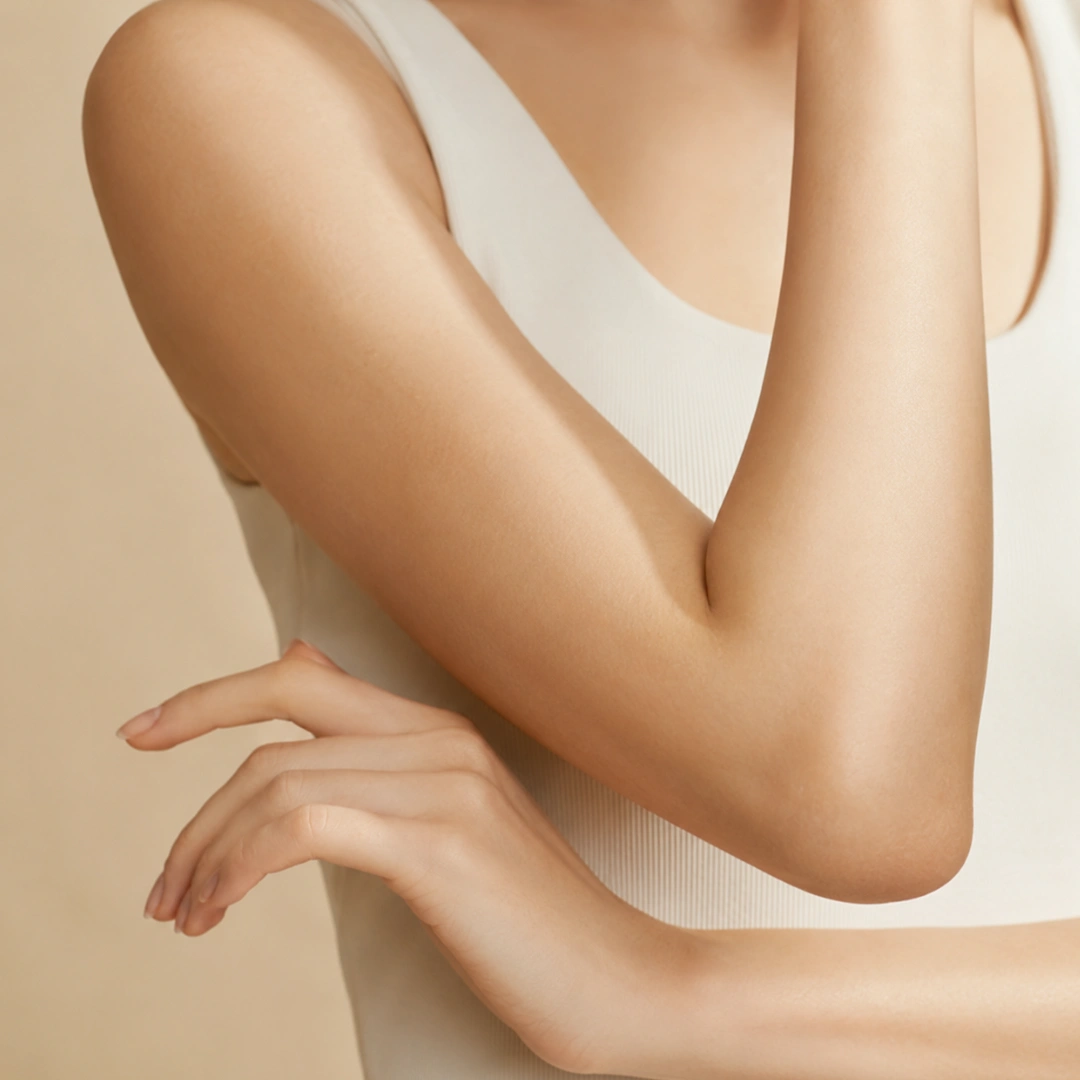



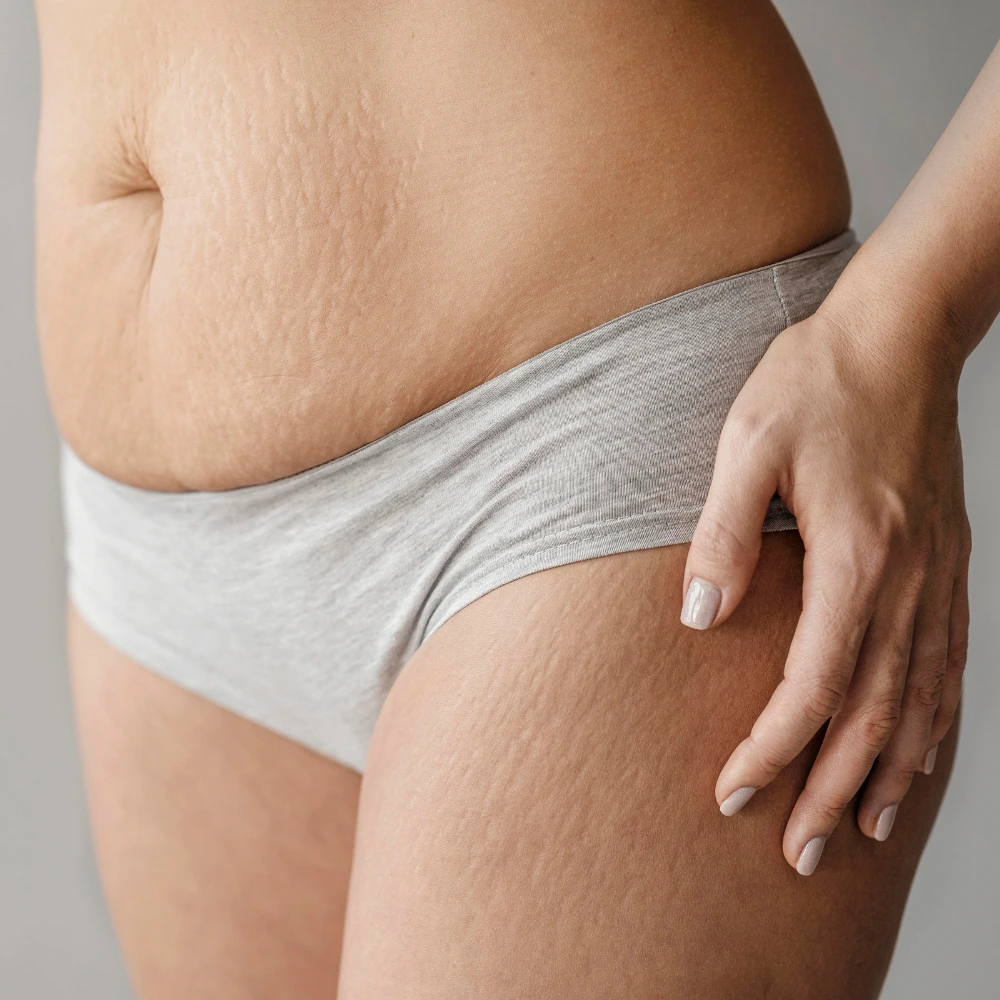
Stretch marks are a type of scar caused when skin stretches or shrinks quickly. Scars are permanent tissue changes, although many fade and some treatments may make them less noticeable.
LAVAĒ does not promise to remove stretch marks or scars, and body-contouring devices should not be marketed as universal scar treatments. The type, age, colour, texture and cause of the mark determine whether dermatology or another specialist is the right pathway.
Concern type Healed stretch marks or scars
Primary goal Understand realistic options
Starting point Individual assessment
Expected approach Realistic, concern-led planning
These are common areas people ask about during a stretch marks & scars consultation. Suitability depends on the visible concern, tissue characteristics and health history—not the area name alone.
A common area for stretch marks following growth, pregnancy or body change.
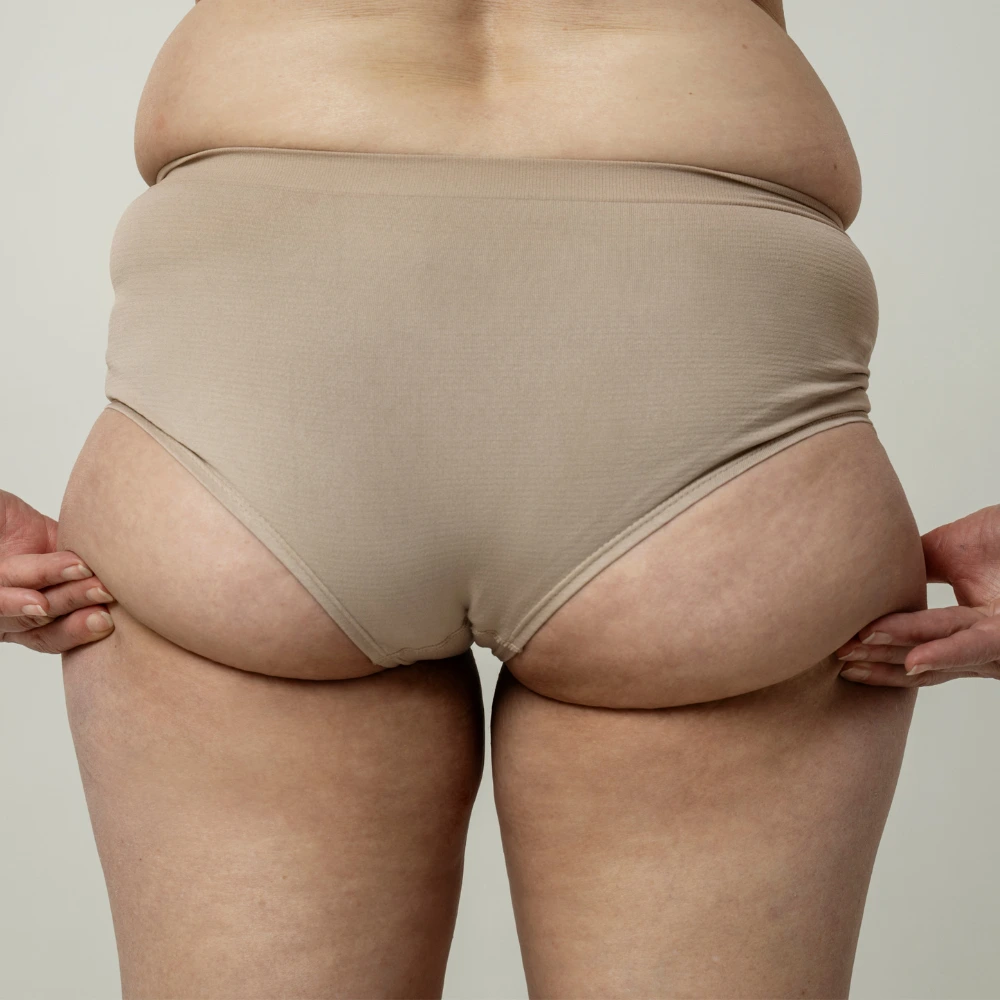
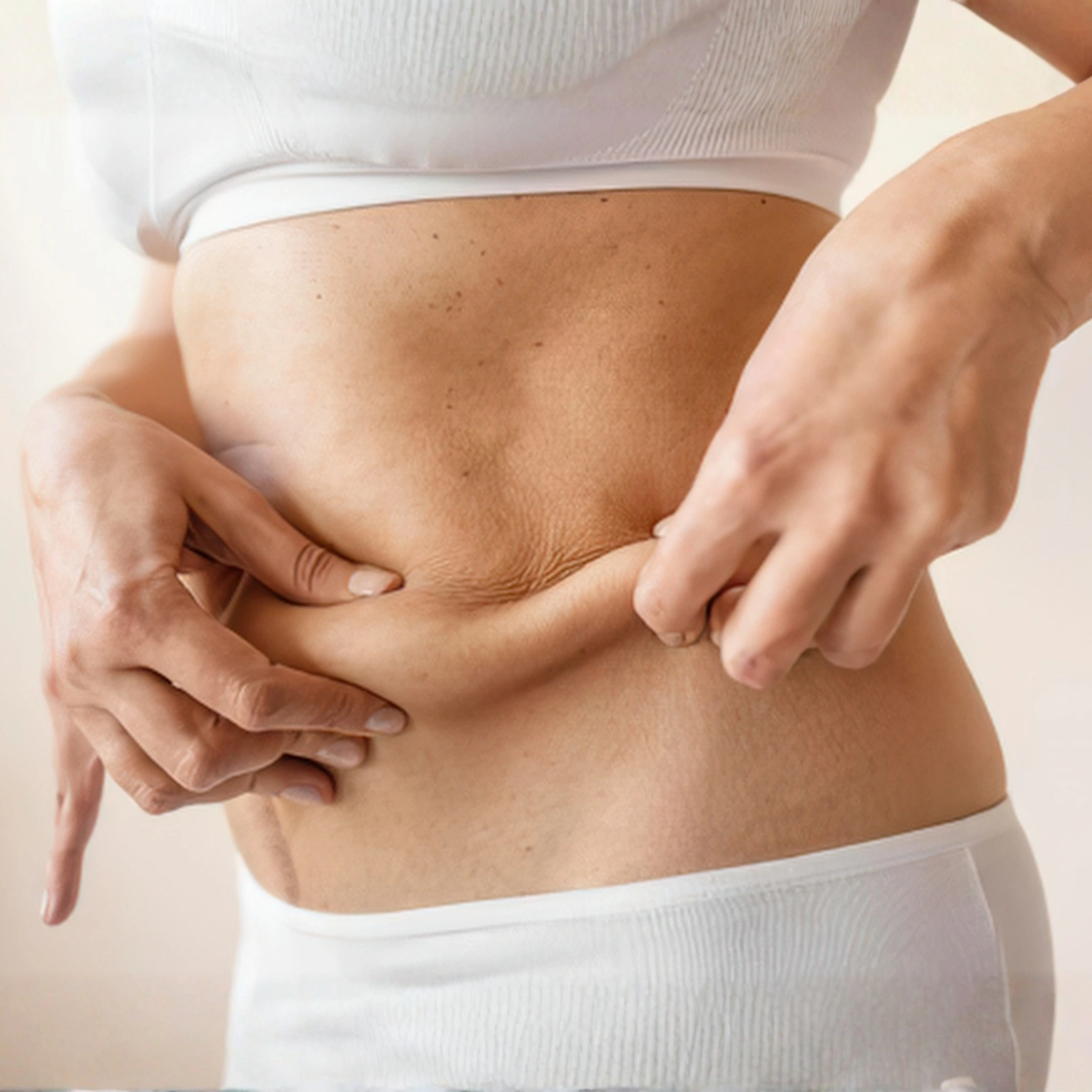
For visible lines or textural changes around the hip area.
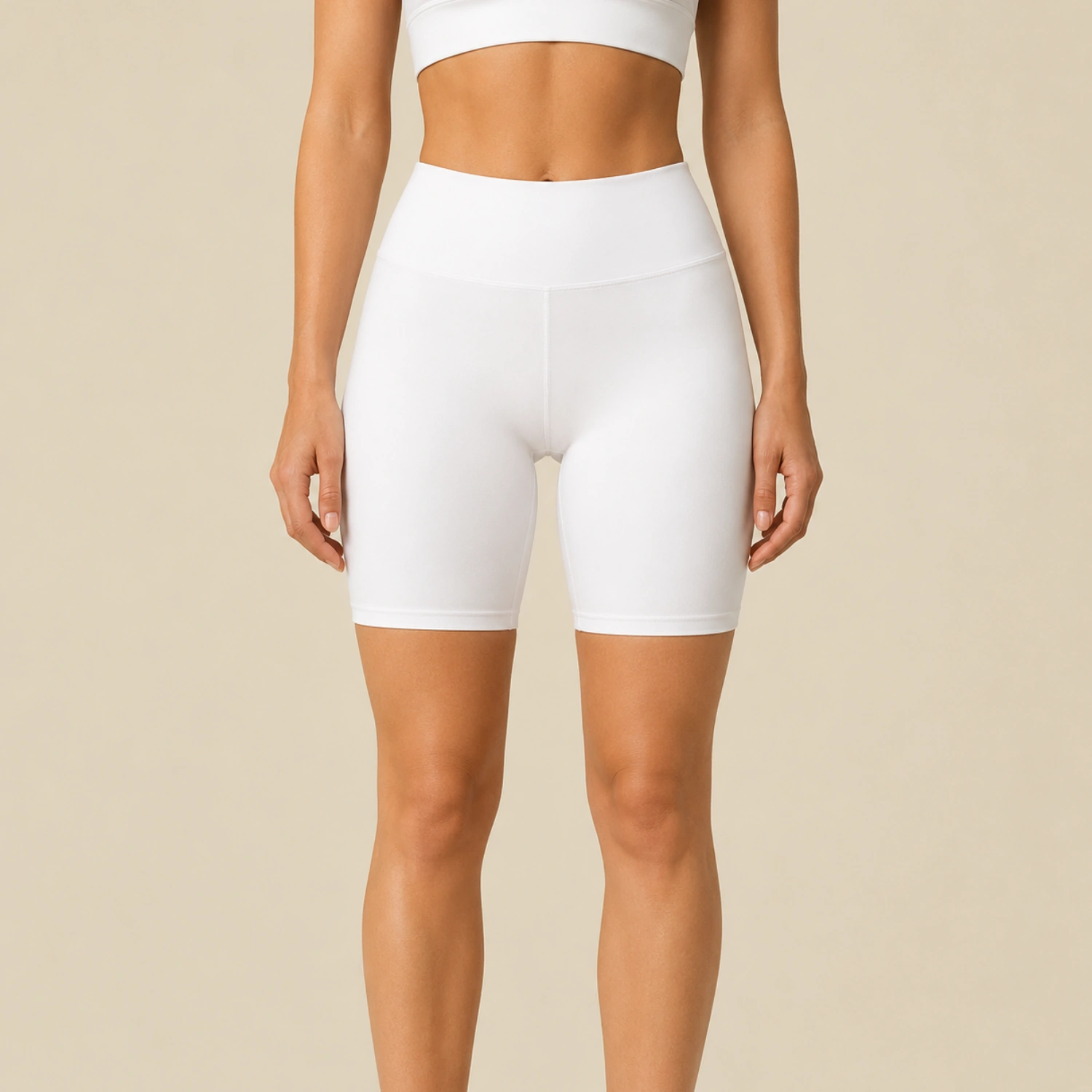
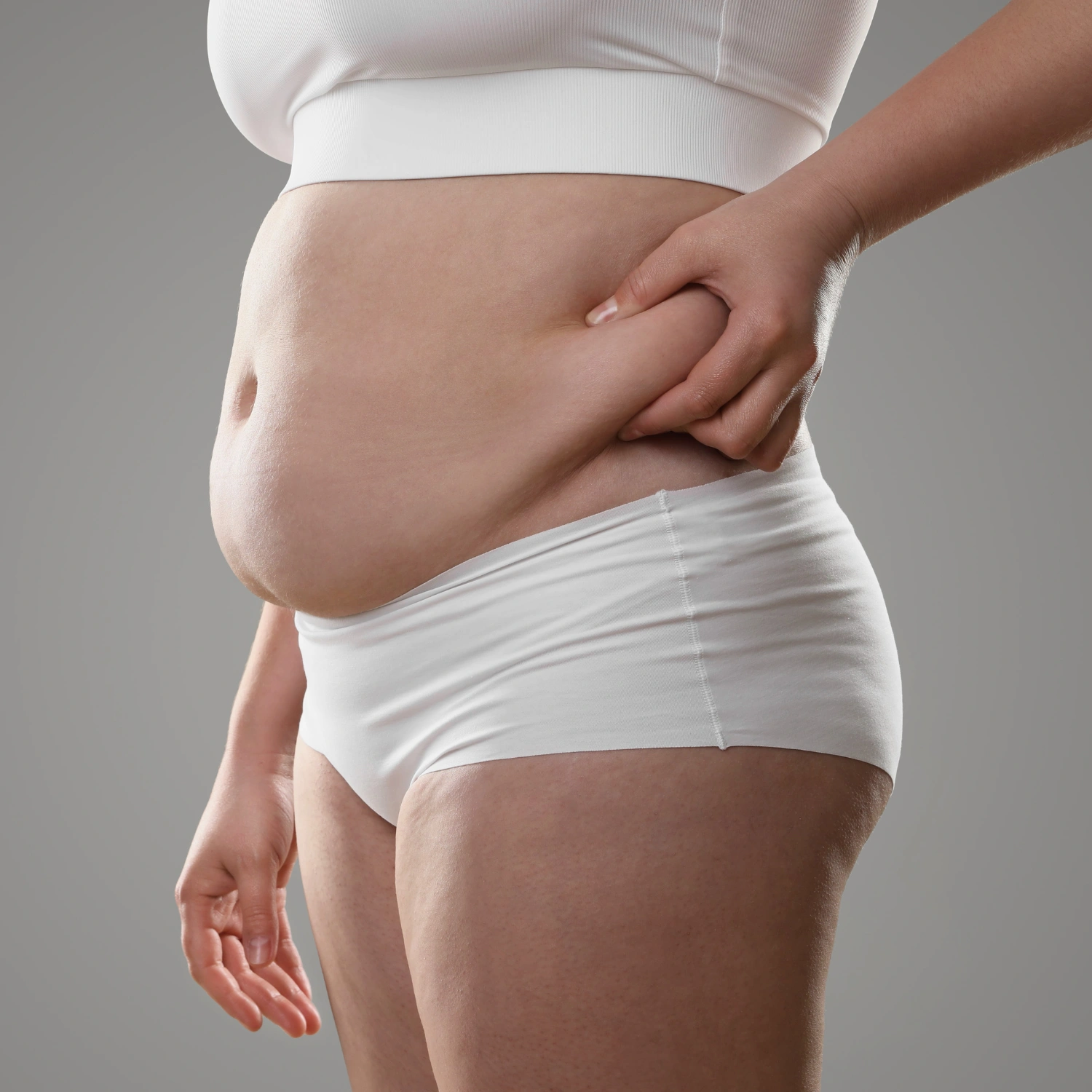
For stretch marks affecting the inner, outer or front thighs.
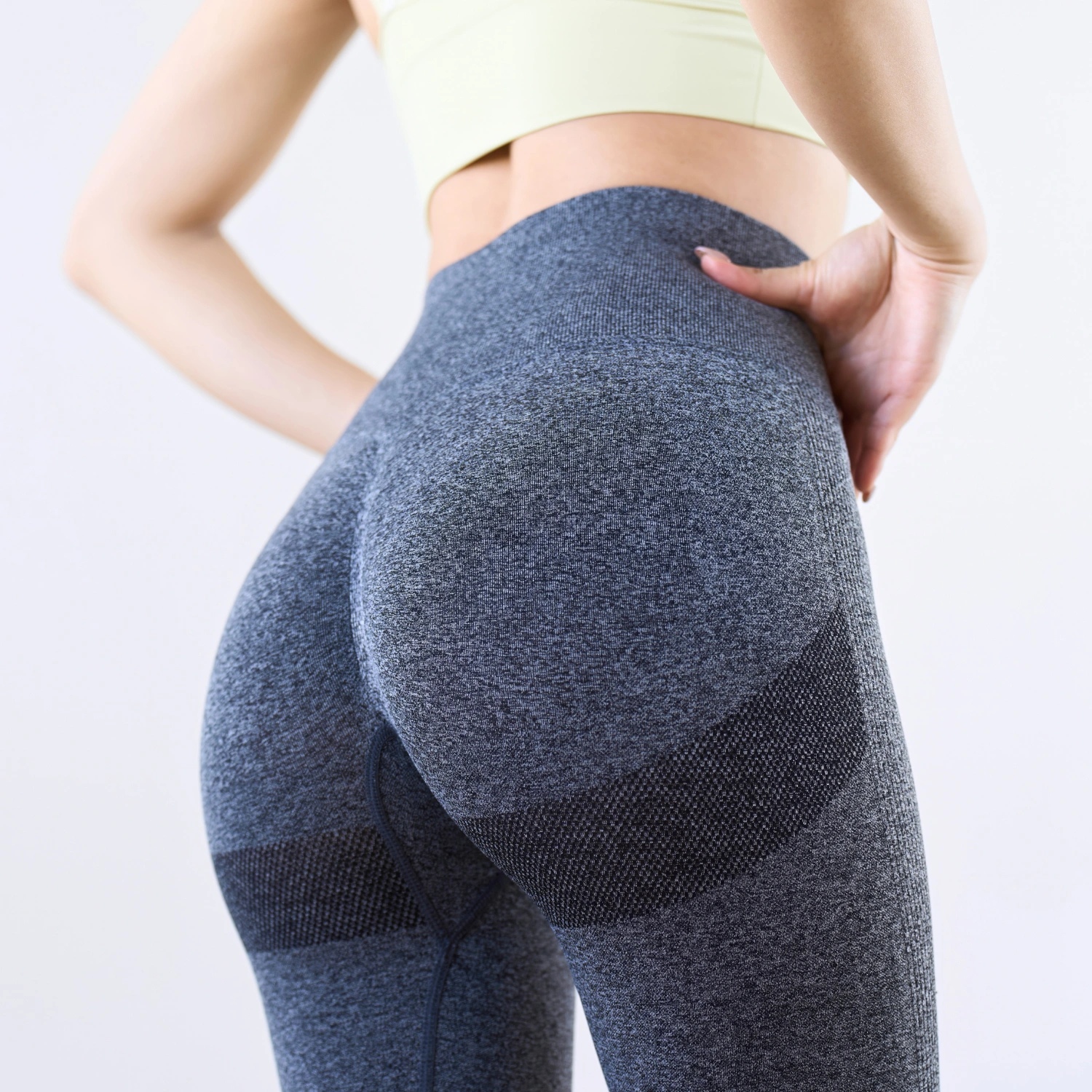
For visible marks or selected healed scars around the buttocks.
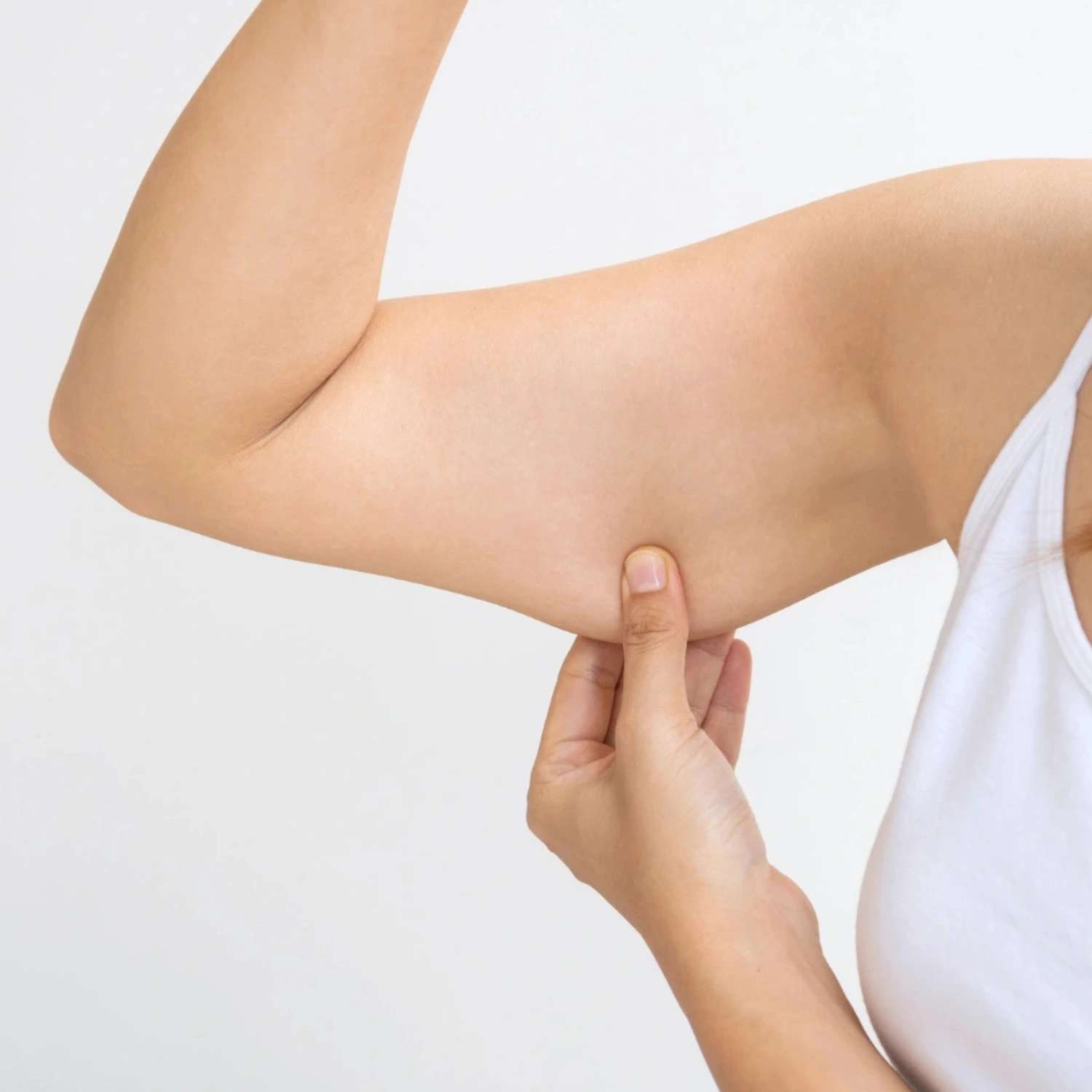
For stretch marks or suitable healed scars affecting the upper arms.
These signs can help identify a starting point, but they are not a diagnosis and do not automatically determine a treatment.
Linear streaks that may begin red, purple or darker before gradually becoming lighter.
A healed mark that is stable, closed and no longer actively changing.
A hypertrophic or keloid-type scar needs professional skin assessment.
The main issue may be surface texture, pigmentation, thickness, sensitivity or tightness.
Open, bleeding, infected or incompletely healed skin must not receive cosmetic treatment.
Cellulite creates dimples rather than linear marks or healed wound tissue.
Loose skin may coexist with stretch marks but is a separate tissue concern.
A new or changing mark should be assessed medically rather than assumed to be a scar.
Open wounds, infection, changing lesions, painful or growing scars, keloids and scars that restrict movement require medical or dermatology assessment.
A suitable option is selected only after reviewing the target area, tissue characteristics, contraindications and realistic goal.
There is no universal device match. Tissue type, healing status and medical suitability must be clarified first.
A device name is not a diagnosis. Assessment first
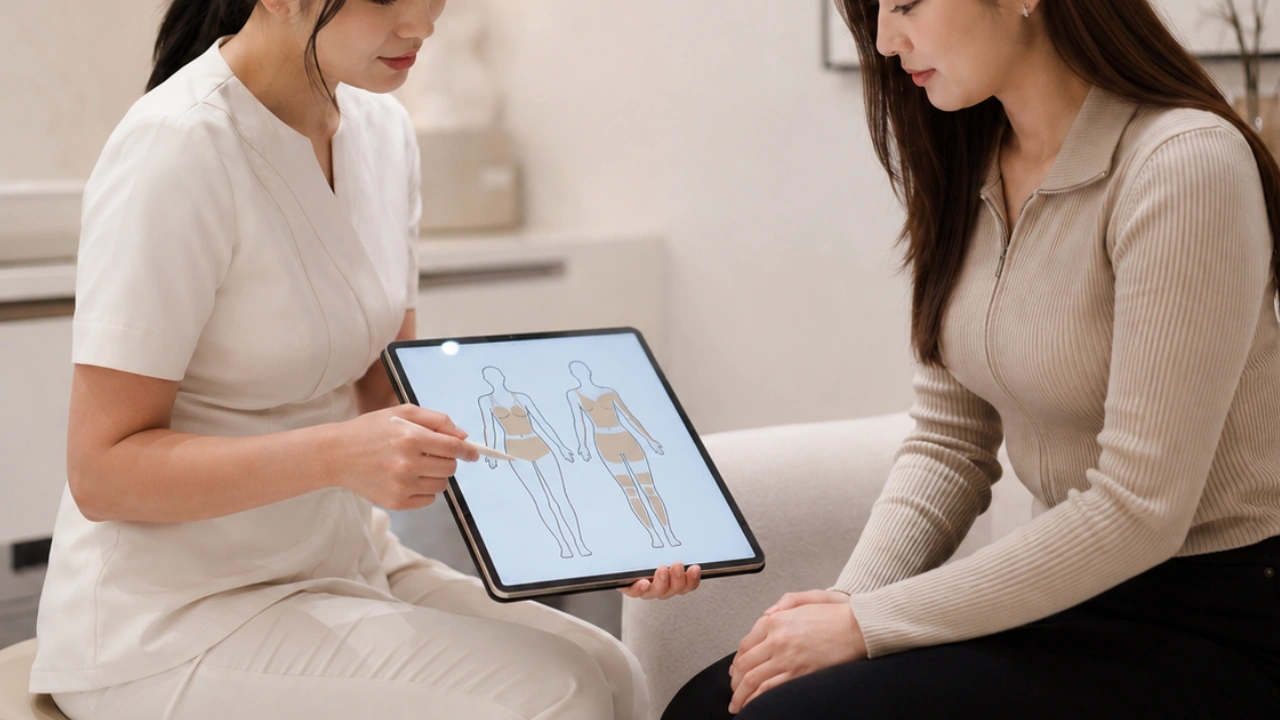
We confirm the visible concern, discuss the target area and review relevant health history, contraindications and realistic goals.
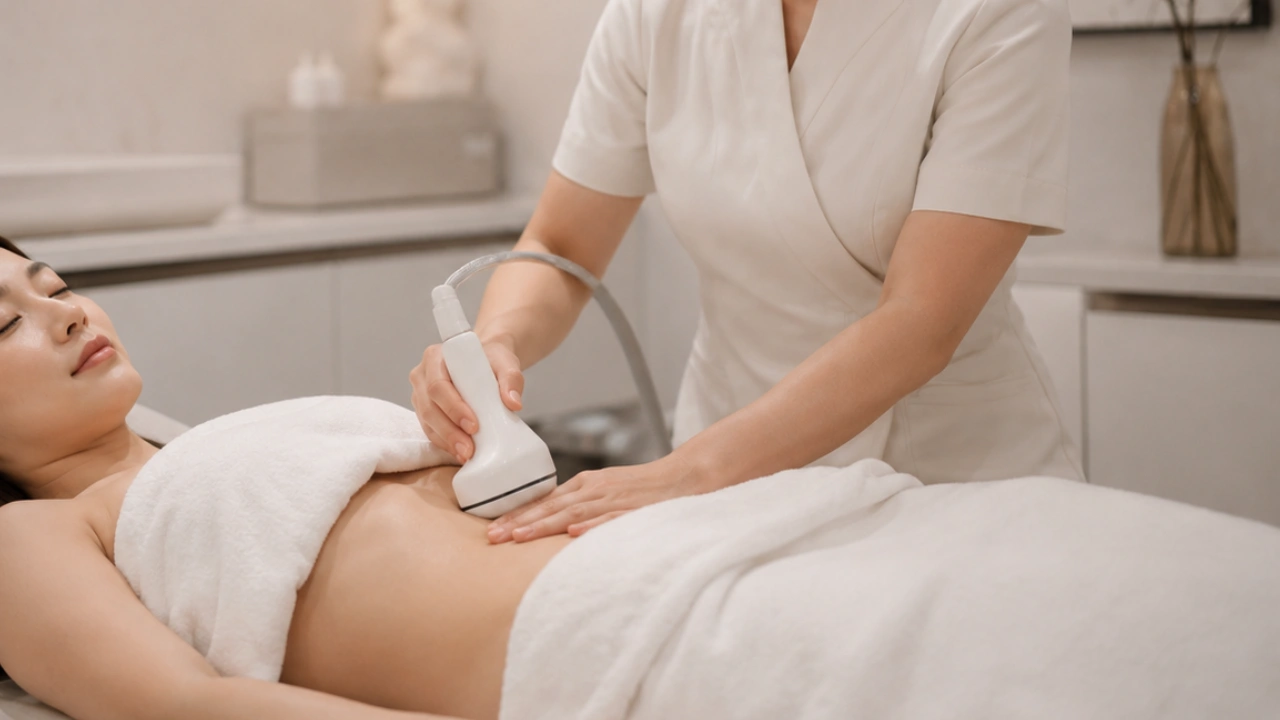
We match the concern with suitable technologies, treatment areas and a session plan based on your assessment and preferences.
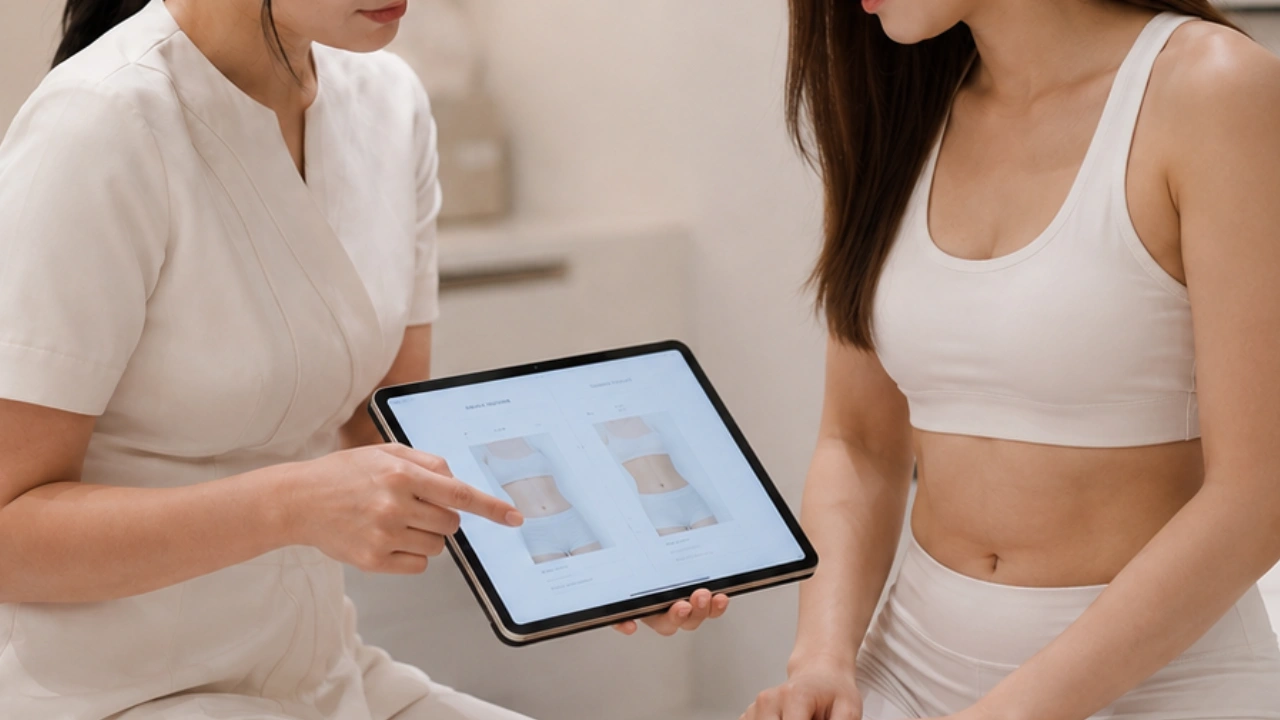
Your treatment is delivered with attention to comfort, followed by practical aftercare, progress comparison and plan adjustments where appropriate.
General cosmetic information only. Treatment suitability and results vary, and an individual assessment is required before treatment.
Yes. Stretch marks are a type of scar that develops when skin stretches or shrinks quickly and the supporting tissue is disrupted.
No treatment can guarantee complete removal. Some treatments may make stretch marks less noticeable, especially depending on their age, colour and skin type.
LAVAĒ can provide a general suitability discussion, but does not diagnose scars or promise scar removal. Dermatology or medical assessment may be the more appropriate pathway.
Seek professional assessment when a scar is painful, itchy, growing, raised, restricting movement, repeatedly breaking down, changing colour or uncertain in diagnosis.
A skin-firming treatment may be discussed for surrounding mild laxity, but it should not be presented as removing the stretch marks themselves.
Mature pale stretch marks can respond differently from newer red or purple marks. A dermatologist can explain which evidence-based options may suit your skin and mark type.
Only after the wound is fully healed and the treating healthcare professional has confirmed that any cosmetic procedure is appropriate.