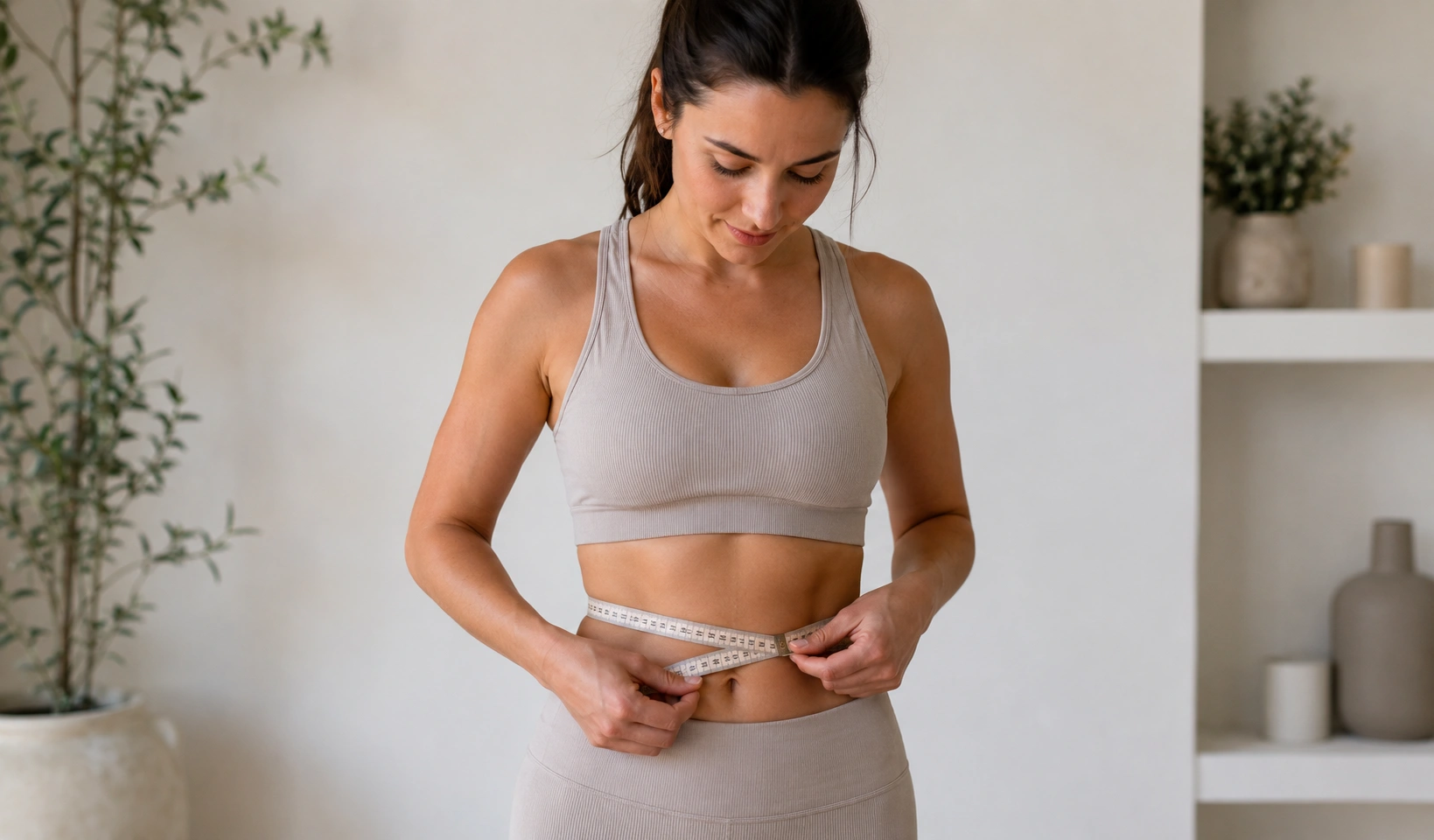
Lower belly fat can remain noticeable even when your weight is stable because the area is influenced by genetics, fat distribution, posture, muscle tone, skin firmness and bloating.
The first step is identifying what is actually creating the fullness. A pinchable fat pocket, temporary bloating, loose skin and deeper visceral fat are different concerns and should not be approached in the same way.
Quick answer
Lower belly fat cannot be spot-reduced through abdominal exercise alone. Sustainable overall fat management is the foundation, while non-invasive body contouring may be considered for selected pinchable subcutaneous fat after an individual assessment.
What Is Making Your Lower Abdomen Look Fuller?
Before deciding what to do, separate the concern into the category that best describes what you notice. More than one factor may be present at the same time.
01
Pinchable subcutaneous fat
Soft fat located beneath the skin that contributes to a localised lower-abdominal bulge.
02
Bloating or fluid changes
Fullness that may vary through the day, after meals or alongside digestive symptoms.
03
Loose skin
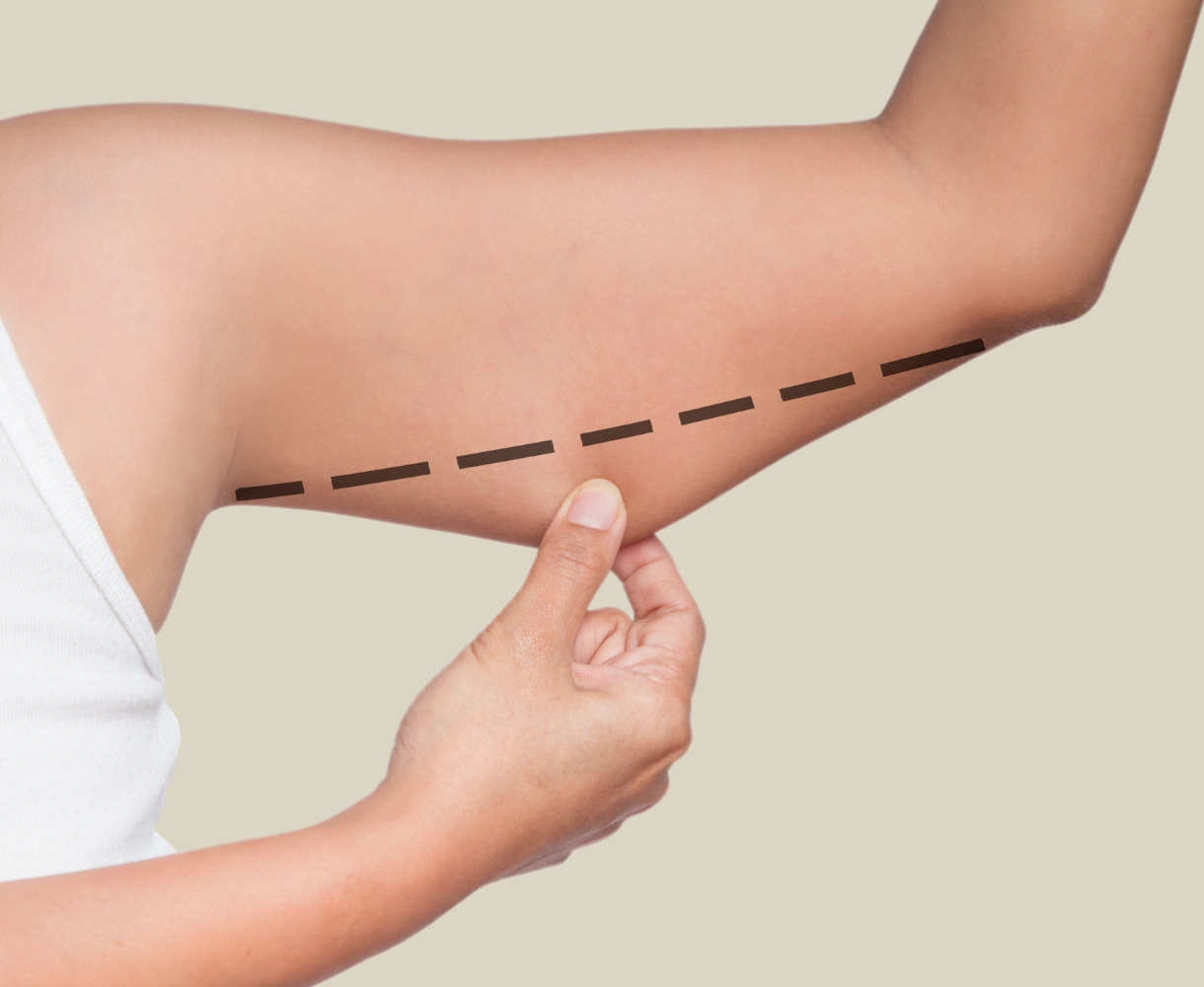
Reduced firmness following pregnancy, ageing or changes in body weight.
04
Posture and core support
Pelvic position and weak trunk control can change how the lower abdomen projects.
Visceral fat sits deeper around the internal organs. It cannot be treated by cosmetic body-contouring devices and should be managed through appropriate medical and lifestyle guidance.
What Actually Helps Lower Belly Fat?
There is no single exercise, food or device that works for every lower-abdominal concern. The most reliable approach combines three foundations:
Foundation 01
Overall fat management
Use a sustainable eating pattern rather than crash dieting or “belly-fat detoxes”.
Foundation 02
Movement and strength
Combine cardio, full-body resistance training and regular daily movement.
Foundation 03
Recovery and consistency
Sleep, stress management and repeatable habits affect long-term progress.
A Practical Lower-Belly Fat Plan
1. Build a sustainable eating pattern
Overall fat loss generally requires your body to use more energy than you consume over time. This does not mean skipping meals or following an extreme detox.
Include a useful source of protein at each main meal.
Choose vegetables, fruit and higher-fibre carbohydrates regularly.
Watch liquid calories from sweetened drinks, alcohol and speciality coffees.
Keep takeaway portions reasonable rather than removing every favourite food.
Use consistent meal habits instead of alternating restriction and overeating.
2. Combine cardio with strength training
Cardiovascular activity supports energy expenditure, while resistance training helps maintain or build muscle. Core exercises strengthen the abdomen but cannot force fat loss from that area.
Brisk walking, cycling, swimming or indoor cardio.
Full-body strength training at least twice weekly where appropriate.
Core exercises such as dead bugs, planks and controlled leg movements.
Daily movement such as walking between appointments or taking the stairs.
3. Review sleep, stress and bloating
Poor sleep and prolonged stress can make appetite control and healthy routines harder to maintain. If the concern changes substantially from morning to evening, bloating may be contributing more than body fat.
Aim for a consistent sleep and waking schedule.
Notice whether specific foods or large late-night meals worsen bloating.
Stay hydrated in Singapore’s warm climate.
Seek medical advice for persistent pain, sudden swelling or unexplained changes.
Which LAVAĒ Treatments May Be Considered?
Non-invasive body contouring is not a weight-loss solution. It may be discussed when a person is near a stable weight but remains concerned about a selected body area.
Tissue condition, comfort and firmer-looking contours
The concern includes reduced firmness or overall tissue quality.
The correct treatment depends on fat thickness, skin condition, muscle tone, target area, health history and realistic expectations. A device should not be selected based on popularity alone.
Who May Be Suitable for Body Contouring?
It may be considered when
Your weight is relatively stable.
The concern is a selected pinchable area.
You understand that results vary.
You are looking for contouring, not major weight loss.
No relevant contraindications are identified.
It may not be appropriate when
The concern is visceral fat or obesity.
You are pregnant.
There is unexplained swelling or abdominal pain.
You have an active skin condition in the area.
A relevant medical or device-specific contraindication applies.
Not sure what is causing the lower-abdominal fullness?
A LAVAĒ consultation can help distinguish between localised fat, skin laxity, muscle-related concerns and other factors before a treatment plan is discussed.
Overall fat reduction may occur through sustainable nutrition, exercise and lifestyle changes. Non-invasive body contouring may also be considered for selected subcutaneous fat in suitable adults, but it is not a weight-loss treatment.
Can I target only my lower belly with exercise?
Core exercises can strengthen the abdominal muscles, but they cannot control exactly where your body loses fat first. Overall body-fat management is usually required.
Which treatment is best for lower belly fat?
It depends on whether the concern is pinchable fat, cellulite, loose skin, muscle tone or bloating. An assessment is needed before comparing Onda Pro, fat freezing, HIFU, muscle stimulation or other options.
How many sessions will I need?
There is no universal number. The treatment area, technology, tissue characteristics and individual response determine the recommended schedule.
Will body contouring give me a completely flat stomach?
No treatment can guarantee a completely flat abdomen. Natural shape is affected by fat distribution, skin, posture, muscle tone and anatomy.
Editorial note: This guide provides general information and does not replace medical advice. Treatment suitability, expected progress and contraindications should be assessed individually. Persistent pain, sudden swelling, digestive symptoms or unexplained abdominal changes should be reviewed by an appropriate healthcare professional.
“A flatter-looking lower abdomen usually comes from identifying the real concern first—not simply choosing the most aggressive treatment.”