Home-Body Guides-INDIBA vs Fat FreezingINDIBA vs Fat Freezing
INDIBA vs Fat Freezing
INDIBA vs Fat Freezing in Singapore: Which Treatment Fits Your Goal?
Published 19 November 2026
9-minute read
Treatment Comparison
INDIBA and fat freezing both appear in body-treatment searches, but they are not interchangeable. One is centred on radiofrequency-based tissue care; the other uses controlled cooling to address selected subcutaneous fat bulges.
Quick answer
Choose by the concern, not the popularity of the treatment. INDIBA uses 448 kHz radiofrequency and is discussed for body wellness, skin quality and firmness; cryolipolysis (fat freezing) targets selected pinchable subcutaneous fat pockets using cooling. Neither is a weight-loss solution or suitable for everyone.
What Is the Main Difference Between INDIBA and Fat Freezing?
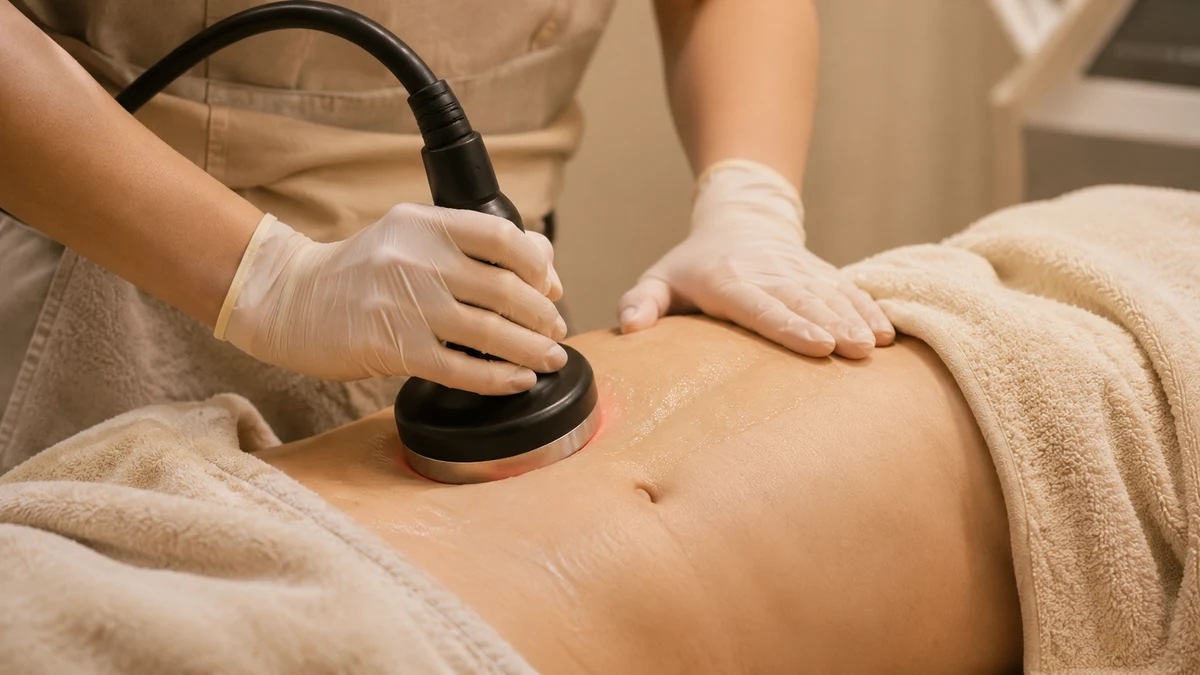
INDIBA Body Contouring is LAVAĒ's radiofrequency-based body treatment category. Manufacturer materials describe 448 kHz radiofrequency applications for tissue quality, comfort and body appearance.
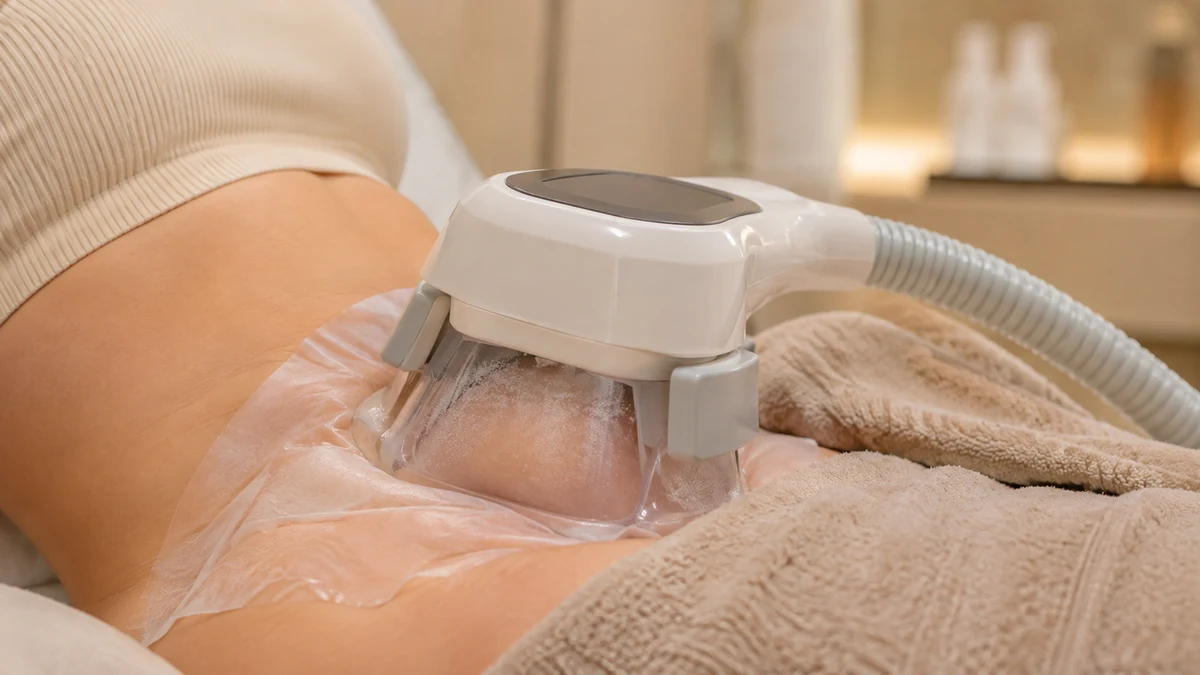
Cryo 360 Fat Freeze belongs to the cryolipolysis category. Controlled cooling is used for eligible, localised areas of subcutaneous fat; it is not designed to address overall body weight or visceral fat.
Question
INDIBA
Fat freezing
Technology
Radiofrequency (448 kHz)
Controlled cooling / cryolipolysis
Primary discussion
Skin quality, tissue condition, comfort and firmer-looking contours
Selected, pinchable subcutaneous fat bulges
Best described as
Supportive firming and body-wellness treatment
Non-invasive fat reduction in suitable areas
Can it cause weight loss?
No general weight-loss guarantee
No; not a treatment for obesity
Key limitation
Not interchangeable with surgical skin removal or proven direct fat-cell elimination
Does not resolve significant skin laxity; specific rare and other adverse effects are possible
Which Concern Are You Actually Trying to Address?
01
A defined fat pocket
A persistent, pinchable bulge may make a fat-reduction discussion more relevant. The actual suitability of fat freezing depends on device indications and a clinical screening.
02
Loose-looking or crepey skin
Consider a skin-firmness assessment. INDIBA may be discussed for selected tissue-quality goals, but substantial extra skin cannot be removed non-surgically.
There may be several factors. ONDA Pro is another option that can be discussed where its indications fit; avoid assuming that combining devices is automatically better.
How Do the Treatment Experiences Differ?
INDIBA sessions use contact electrodes and radiofrequency energy under practitioner control; the sensation and plan depend on the equipment, settings and individual. Cryolipolysis uses cooling applicators and can involve intense cold, suction or pulling during treatment.
Potential after-effects also differ. Fat freezing may involve redness, swelling, bruising, numbness, tenderness and other complications. A rare but important risk is paradoxical adipose hyperplasia, where the treated fat area becomes larger rather than smaller and may require surgery. Ask for device-specific risk information before consenting.
Neither treatment should be described as risk-free or guaranteed painless. Medical history, implants, sensory disorders and other contraindications must be reviewed by an appropriately qualified practitioner.
Which Gives Better Results?
There is no honest universal winner. The outcome you value matters: a visible fat-pocket change is different from improved tissue feel or firmer-looking skin. Published evidence for one technology should not be treated as proof that another technology has identical results.
Fat pocket
Consider the goal
For a clearly localised fat bulge, ask whether a fat-reduction technology is suitable and which risks apply.
Firmness
Assess the skin
For mild laxity or tissue-quality concerns, discuss expected and realistic changes with INDIBA.
Evidence
Measure fairly
Use consistent progress photos and agreed review points; do not equate temporary redness with improvement.
What If Neither Treatment Matches Your Needs?
Not every body-contouring concern is a good match for either approach. Muscle definition may be a strength-training or muscle-toning question; significant loose skin may warrant a medical opinion. If several areas concern you, the Body Treatments overview explains LAVAĒ's treatment categories without assuming they offer equivalent outcomes.
You may also read ONDA Pro vs Fat Freezing for a separate comparison. That existing guide focuses on Coolwaves microwave technology and cryolipolysis, while this article concentrates on the INDIBA distinction.
Questions to Ask at Your Consultation
Ask the provider
What tissue concern are we treating and how was it identified?
Which device and applicator will be used on this body area?
What outcomes and follow-up period are realistic?
What contraindications and adverse effects should I understand?
Be cautious of
A promise of a fixed centimetre reduction or guaranteed result.
Claims that one device replaces every other treatment.
A package recommendation without individual screening.
Using immediate photographs as proof of lasting improvement.
Compare Your Body Treatment Options
At LAVAĒ Sculpt, we discuss your goals, medical suitability and realistic expectations before recommending a body-treatment pathway.
Why Treatment Technology Matters More Than the Marketing Name
INDIBA and fat freezing are not two brands of the same procedure. INDIBA is associated with radiofrequency-based tissue treatment and its specific uses depend on the system, settings and professional protocol. Fat freezing, or cryolipolysis, applies controlled cooling to selected subcutaneous fat deposits. These are different mechanisms, so comparing them only by the word “slimming” can be misleading.
Ask which exact INDIBA model is being proposed and what it is intended to address in your case. Ask the equivalent question about the fat-freezing device: which area and tissue can the applicator safely treat, and what result is realistically being targeted? A body-contouring programme may involve other concerns, such as cellulite or reduced firmness, which do not necessarily respond to a fat-specific intervention.
Marketing photographs should not replace a clear explanation of how each treatment works. The device's manufacturer materials, practitioner training and relevant safety information are more meaningful than a promise of “instant sculpting”.
Three Common Body Concerns and How to Think About Them
A small, pinchable fat pocket: this may prompt a conversation about technologies designed for localised subcutaneous fat, including cryolipolysis. However, shape, applicator fit, skin quality and medical history still affect suitability. The best approach cannot be chosen from the amount of fat alone.
Skin that looks less firm: this deserves a different assessment from a discrete fat bulge. The discussion may centre on skin quality and treatment expectations rather than volume reduction. Ask whether the proposed INDIBA protocol is actually intended for the cosmetic concern identified.
Uneven or dimpled texture: cellulite reflects more than fat volume alone. A fat-freezing procedure should not automatically be promoted as a cellulite treatment. Review the cellulite concern page for a clearer explanation of why skin texture and subcutaneous fat are related but distinct.
These examples are prompts for discussion, not a substitute for examination. A person can have more than one concern in the same treatment area.
Safety, Sensation and Aftercare Questions
Every body-contouring treatment should begin with appropriate screening. Cooling-based treatments can involve temporary redness, bruising, tenderness, numbness or altered sensation, and rare but important complications can occur. In particular, paradoxical adipose hyperplasia is a recognised potential adverse event associated with cryolipolysis. It should be discussed transparently, not omitted from marketing.
Radiofrequency-based treatment can also involve warmth, sensitivity and other risks depending on the particular equipment, settings and patient characteristics. The screening questions may include implanted devices, pregnancy, relevant skin conditions, medications and previous procedures, as appropriate to the technology and protocol.
Request written aftercare information and find out whom to contact if you experience unexpected pain, skin changes or other persistent symptoms. A treatment that is described as non-invasive is not automatically suitable or risk-free.
A More Useful Way to Compare Treatment Value
Before comparing promotions, list the intended outcome, the treatment area, the expected number of visits, whether follow-up appointments are included, and which progress measures will be used. A lower per-session rate may not translate into lower total cost if a longer course is recommended.
Ask whether the recommendation is based on fat volume, texture, laxity or another concern, and whether the practitioner expects the chosen approach to address all or only part of that concern. If the answer is vague, take time to understand the treatment before paying for a package.
Review LAVAĒ's INDIBA Body Contouring and Cryo 360 Fat Freeze pages as the commercial treatment references. This comparison article is intended to clarify differences, not to replace the individual service pages.
Frequently Asked Questions
Is INDIBA the same as fat freezing?
No. INDIBA uses radiofrequency and is discussed for skin and tissue-quality concerns; fat freezing uses cooling to target selected subcutaneous fat pockets.
Can INDIBA permanently destroy fat cells?
Do not assume that. The mechanism and evidence for INDIBA should not be equated with cryolipolysis fat-cell reduction.
Is fat freezing better for a pinchable tummy bulge?
It may be relevant for some localised subcutaneous fat pockets, but suitability and device-specific risks must be assessed first.
Can INDIBA help with loose-looking skin?
It may be discussed for selected firming and tissue-quality goals. Significant excess skin is outside the realistic scope of non-surgical firming.
Can I combine INDIBA and fat freezing?
Some treatment plans may use more than one modality, but a combination is not inherently better and must be based on an individual assessment.
Editorial note: This educational guide is not a diagnosis, a quotation or a guarantee of treatment outcomes. Device indications, contraindications and risks differ. Seek professional medical advice for symptoms or health conditions and consult the treating team before any cosmetic procedure.