Why Is Cellulite Still Visible After Weight Loss or Exercise?
Published 13 October 2026
7-minute read
Cellulite & Skin Texture
You can exercise regularly, lose weight and still notice dimpling on your thighs or buttocks. Cellulite is influenced by skin and connective-tissue structure—not simply fitness or body weight.
Quick answer
Cellulite can remain after weight loss because it involves fibrous connective bands, underlying fat and skin characteristics. Exercise and weight management may change body composition but do not reliably eliminate dimpling. Treatment decisions should focus on the cause and severity of the skin texture, not weight alone.
Why Can Cellulite Remain Even After Losing Weight?
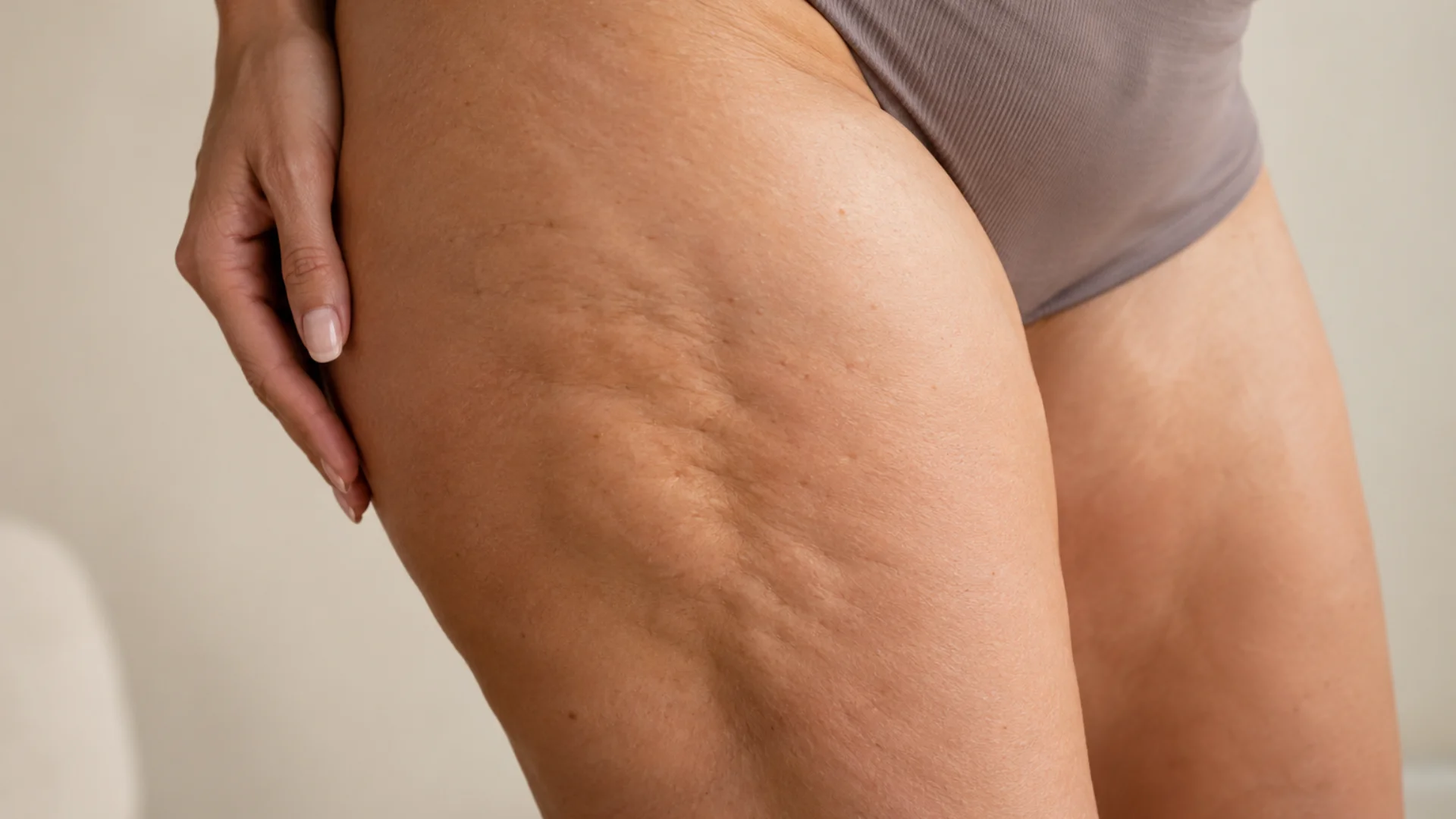
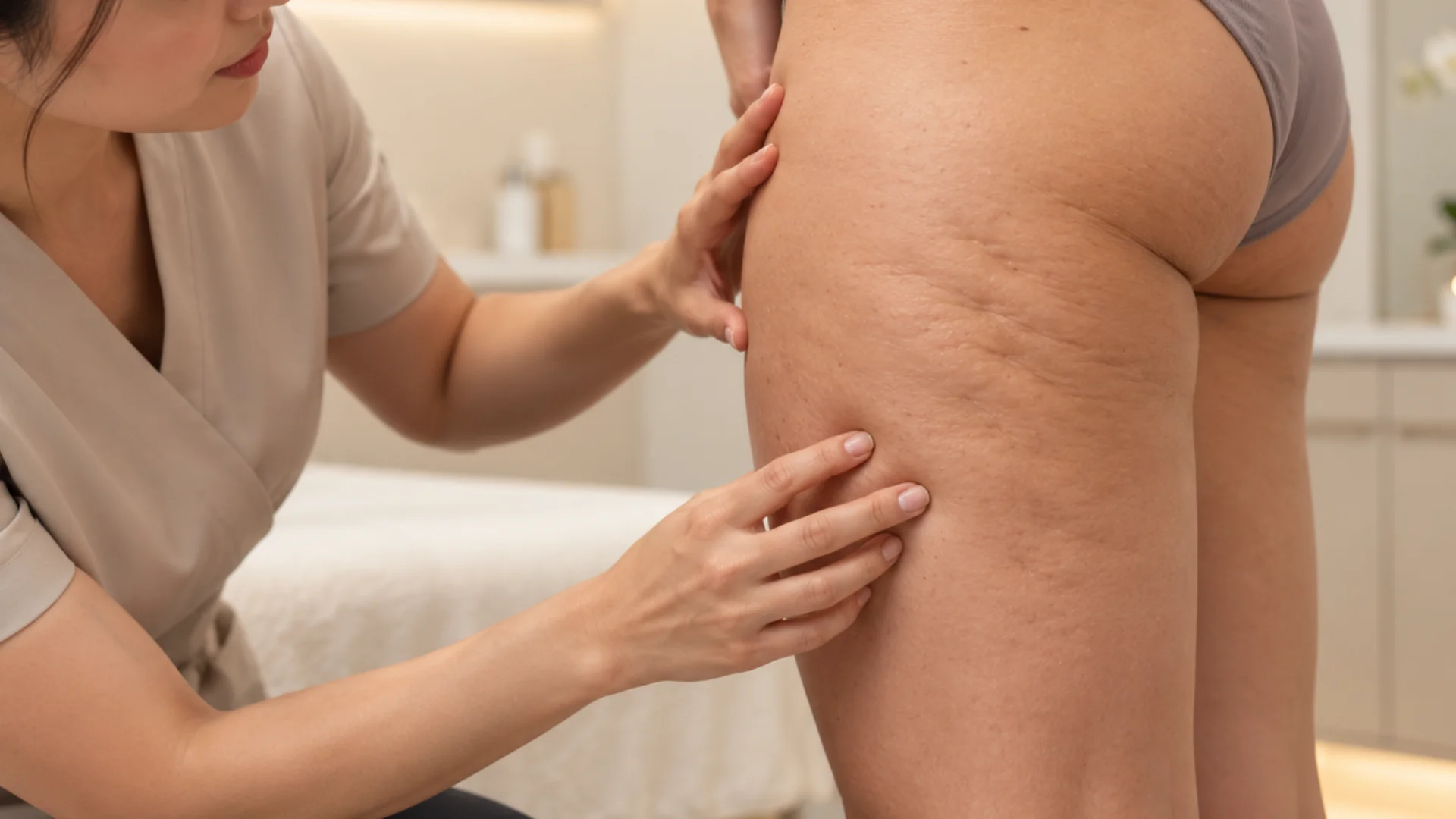
Cellulite is the dimpled appearance that can occur when underlying fat and fibrous connective tissue interact with the overlying skin. Hormonal influences, genetics, age, skin thickness and fat distribution can all play a role.
Because cellulite is not simply excess body fat, losing weight does not necessarily remove the visible depressions. In some cases, changes in skin laxity may make uneven texture appear more noticeable.
Our cellulite concern page explains how LAVAĒ approaches the appearance of cellulite during a body assessment.
Does Exercise Help Cellulite?
Strength training and physical activity can improve muscle strength, conditioning and overall body composition. These changes may affect the way a body area looks, but no exercise can specifically remove the fibrous bands associated with cellulite.
Rather than evaluating your fitness through the appearance of your thighs, assess progress using strength, endurance, health and other meaningful measures.
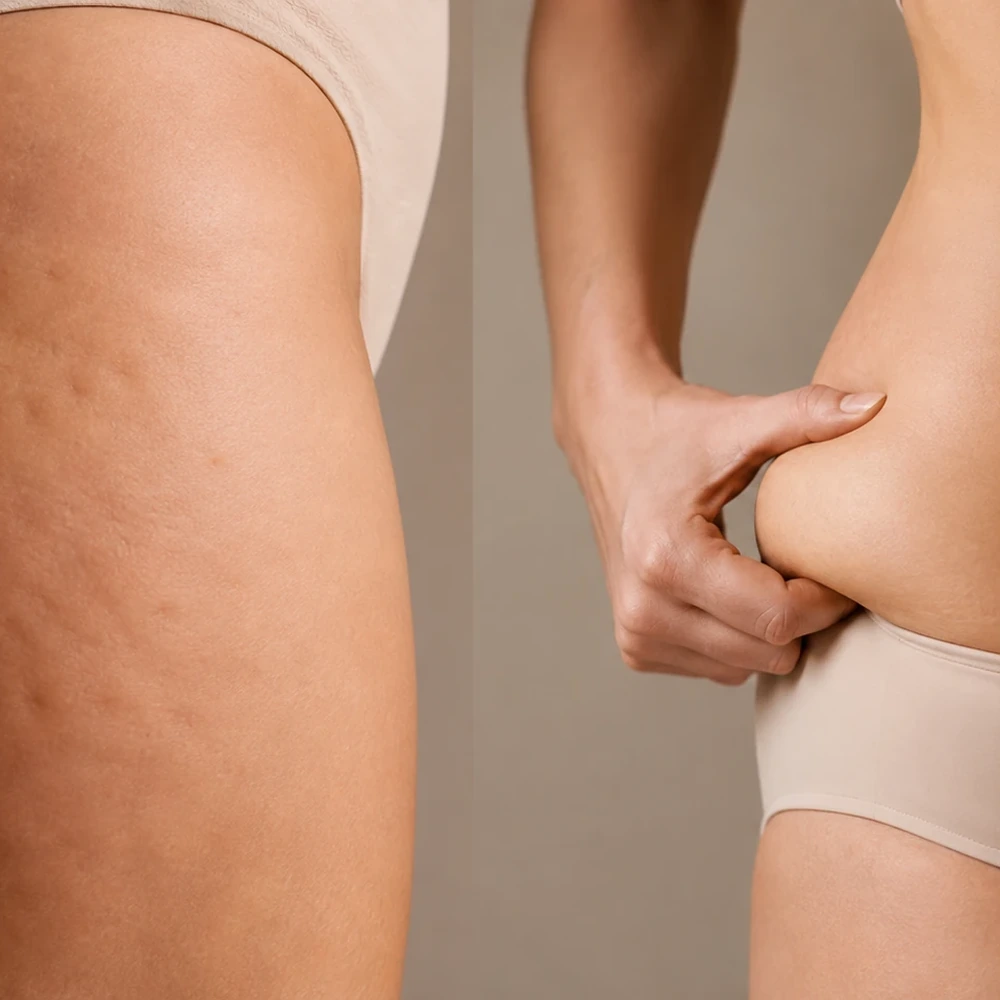
Cellulite vs Stubborn Fat: Why the Difference Matters
Concern
Common appearance
Why it matters
Cellulite
Dimpling or uneven skin surface, often on thighs or buttocks
Surface texture and connective tissue are important considerations
Localised fat
Fullness or a defined pinchable bulge
Fat-reduction technologies may be assessed depending on suitability
Skin laxity
Loose or less firm-looking skin
May need a different skin-focused approach
If you're unsure which concern you have, read our Cellulite vs Fat guide. The distinction prevents choosing a fat-only treatment for a texture concern.
Where Is Cellulite Most Common?
Cellulite commonly appears on the thighs and buttocks and may also affect the abdomen or upper arms. Its visibility can change with posture, lighting and how the skin is compressed.
For people researching thigh slimming, it is worth identifying whether the concern is thigh size, dimpling or skin firmness. These goals are different and should not all lead to the same treatment recommendation.
What Can Improve the Appearance of Cellulite?
Options may include lifestyle measures and selected professional treatments, but outcomes vary. Some devices aim to address skin firmness or texture, while other procedures use different mechanisms. No approach should be described as permanent cellulite removal for everyone.
Assessment
Identify the concern
Separate cellulite dimpling from isolated fat and skin laxity.
Technology
Match the indication
Discuss whether available non-invasive technologies fit your skin and tissue characteristics.
Expectations
Review progress
Agree on what realistic improvement would look like, and document it consistently.
For combined texture and contouring goals, ask whether ONDA Pro is appropriate for your individual concern; it is not automatically the right choice for every form of cellulite.
When Is a Professional Assessment Helpful?
An assessment is useful if you cannot tell whether dimpling comes mainly from cellulite, skin laxity or a localised fat pocket, or if you are weighing different treatment choices.
Worth discussing
Persistent dimpling despite lifestyle changes.
Mixed concerns involving texture and firmness.
Realistic treatment goals and possible side effects.
Keep in mind
Cellulite is common and not a disease.
No treatment guarantees perfectly smooth skin.
Changes in lighting can exaggerate before-and-after differences.
Discuss Cellulite treatment options at LAVAĒ
Visit LAVAĒ Sculpt at Orchard, Singapore for an individual assessment, realistic expectations and a treatment recommendation based on your goals.
Cellulite depends on connective tissue, fat distribution and skin structure, not just body weight. It can occur at many body sizes.
Will cellulite disappear if I lose more weight?
Not necessarily. Weight changes may alter its appearance, but cellulite can remain because connective-tissue structure is involved.
Can squats or running remove cellulite?
Exercise supports strength and overall health but does not reliably eliminate the connective-tissue changes behind cellulite.
Is cellulite the same as fat?
No. Cellulite is a visible skin-texture pattern influenced by fat and fibrous tissue; a localised fat pocket is a different concern.
Can ONDA Pro help cellulite appearance?
ONDA Pro is designed for applications that include cellulite appearance, but suitability and achievable improvement depend on an individual assessment.
Editorial note: This guide is general educational information, not a diagnosis or a guarantee of results. Body-contouring treatments are not substitutes for medical weight management. Contraindications, risks and suitable protocols differ by device and individual; consult a qualified healthcare professional when needed.